Ozempic-like weight loss drugs may help the heart recover after a heart attackOzempic-like weight loss drugs may help the heart recover after a heart attack
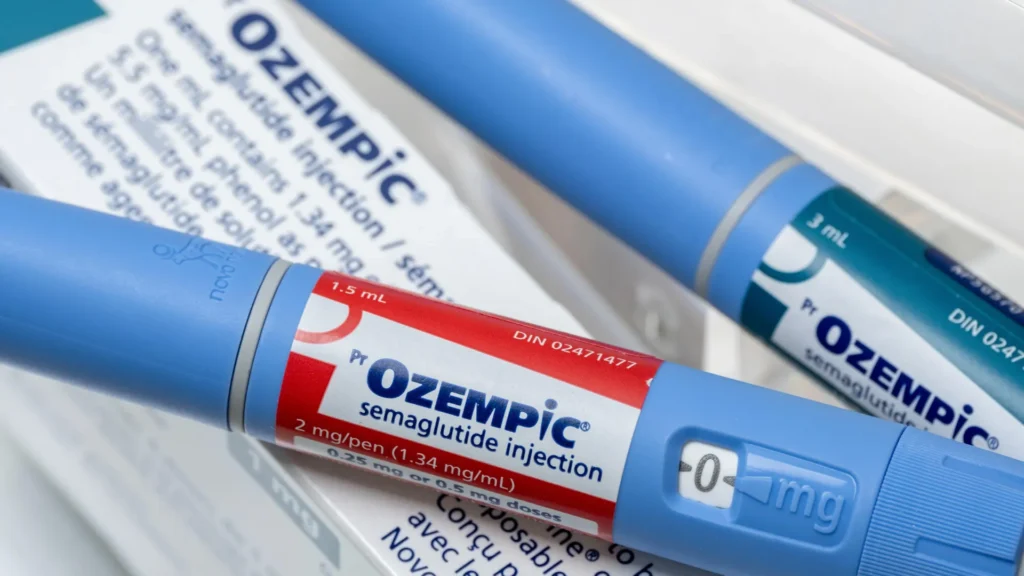
Popular weight-loss drugs such as Ozempic, Wegovy, and Mounjaro may do more than help people shed pounds. New research suggests these GLP-1 medications could also help protect the heart after a heart attack by restoring blood flow in tiny blood vessels that often remain blocked even after doctors reopen a major artery. Popular weight-loss drugs Read More
Insert Warnings and Liver Function Tests for CDK4/6 Inhibitors for Breast CancerInsert Warnings and Liver Function Tests for CDK4/6 Inhibitors for Breast Cancer
This cohort study examines the utilization and timing of liver function tests among patients with breast cancer treated with cyclin-dependent kinase 4/6 inhibitors as recommended by the Food and Drug Administration insert warnings for these drugs.
GLP-1 medications get at the heart of addiction, study findsGLP-1 medications get at the heart of addiction, study finds

Researchers at Washington University School of Medicine in St. Louis have shown in a new study that GLP-1 medications may be effective at treating and preventing substance-use disorders across all major addictive substances studied, suggesting these drugs target a common biological pathway underlying addiction. The work appears in The BMJ. Researchers at Washington University School Read More
Quitting GLP-1 drugs triggers rapid regain, but 25% of weight loss may lastQuitting GLP-1 drugs triggers rapid regain, but 25% of weight loss may last

A year after stopping taking weight-loss drugs such as Ozempic and Wegovy, people regain—on average—60% of their lost weight. But beyond this, their regained weight plateaus, with individuals managing to keep off 25% of the weight lost to treatment, say researchers at the University of Cambridge. The work appears in eClinicalMedicine. A year after stopping Read More
An existing, FDA-approved drug could stem the spread of breast cancerAn existing, FDA-approved drug could stem the spread of breast cancer

Cancer spreads (metastasizes) when tumor cells shed from a primary solid tumor (for example, in the breast) and embed in other organs, such as the lung, liver, and brain, and begin to grow. Most approaches to prevent this metastatic process aim to shrink or control the growth of the primary tumor.
GLP-1s could help curb substance use disorders, from alcohol to opioids, study suggestGLP-1s could help curb substance use disorders, from alcohol to opioids, study suggest

Evidence continues to mount suggesting that GLP-1 drugs like Ozempic and Wegovy may help people cut back on cigarettes, drinking and opioid use disorders and addiction. Evidence continues to mount suggesting that GLP-1 drugs like Ozempic and Wegovy may help people cut back on cigarettes, drinking and opioid use disorders and addiction.
AI could help predict your risk of breast cancer in the next four yearsAI could help predict your risk of breast cancer in the next four years

An artificial intelligence (AI) algorithm used to detect breast cancer in screening scans has been adapted into a risk score that estimates a woman’s risk of developing breast cancer over the next four years, according to a new paper published in The Lancet Digital Health. The AI-based tool, called the BRAIx risk score, identified women at high risk of developing breast cancer, with nearly 1 in 10 of those scored in the top 2% by the tool diagnosed within four years despite being given the all-clear.
Most Patients Keep Weight Off With Fewer GLP-1 Shots, Study FindsMost Patients Keep Weight Off With Fewer GLP-1 Shots, Study Finds
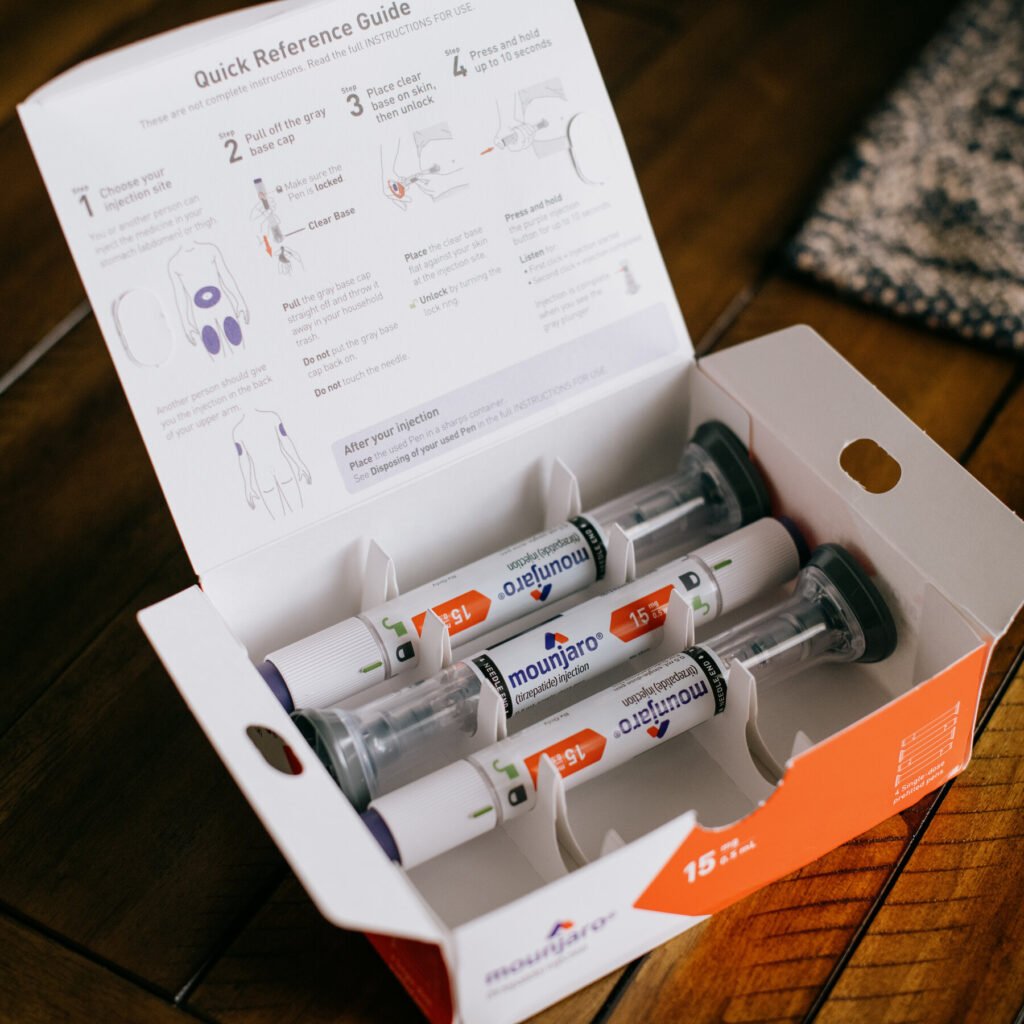
In a recent review, a small group of patients received the injections less frequently but still maintained weight loss and health benefits. In a recent review, a small group of patients received the injections less frequently but still maintained weight loss and health benefits.
No more weekly injections? How lettuce cells could deliver GLP-1 pillsNo more weekly injections? How lettuce cells could deliver GLP-1 pills

Research led by Penn Dental’s Henry Daniell investigates the use of a lettuce-based, plant-encapsulated delivery platform as a new oral delivery of two GLP-1 drugs previously approved by the FDA in injectable form. Research led by Penn Dental’s Henry Daniell investigates the use of a lettuce-based, plant-encapsulated delivery platform as a new oral delivery of Read More
GLP-1 weight-loss drugs comparably effective across age, race and starting weightGLP-1 weight-loss drugs comparably effective across age, race and starting weight

Popular GLP-1 receptor agonist drugs for weight loss, also known as GLP-1 RAs, appear to be similarly effective among patients of different ages, races, and starting weights, with women benefiting somewhat more than men, according to a study led by researchers at the Johns Hopkins Bloomberg School of Public Health. Popular GLP-1 receptor agonist drugs Read More