GLP-1 Users May Experience A Surprising Life-Saving Benefit That Has Nothing To Do With Weight LossGLP-1 Users May Experience A Surprising Life-Saving Benefit That Has Nothing To Do With Weight Loss
A new study found that some cancer patients who took GLP-1 drugs saw some remission — especially if they had breast cancer. A new study found that some cancer patients who took GLP-1 drugs saw some remission — especially if they had breast cancer.
EU regulator approves pill form of Novo Nordisk’s Wegovy weight loss drugEU regulator approves pill form of Novo Nordisk’s Wegovy weight loss drug

Novo Nordisk has obtained approval for the pill form of its popular Wegovy anti-obesity drug in the European Union, the bloc’s medicines regulator said on Friday. Novo Nordisk has obtained approval for the pill form of its popular Wegovy anti-obesity drug in the European Union, the bloc’s medicines regulator said on Friday.
Weight loss drug semaglutide helps patients who do not respond to bariatric surgery, research findsWeight loss drug semaglutide helps patients who do not respond to bariatric surgery, research finds

Metabolic/bariatric surgery is a highly effective treatment for people living with severe obesity and/or metabolic health conditions, which works through changing the anatomy of the digestive system and thereby changing the way it functions and the hormones it produces. Procedures include the sleeve gastrectomy and gastric bypass. Metabolic/bariatric surgery is a highly effective treatment for Read More
STAT+: EU and US advisers split over AstraZeneca breast cancer drug STAT+: EU and US advisers split over AstraZeneca breast cancer drug

Merck-Kelun ADC outperforms Keytruda in trial, a closely watched Parkinson’s drug fails, and more biotech news from The Readout
Ozempic and other GLP-1 RAs could slow progression of some cancers, data suggestOzempic and other GLP-1 RAs could slow progression of some cancers, data suggest

Real-world data show that GLP-1 receptor agonists (GLP-1s) may reduce metastatic progression of certain obesity-related cancers, namely lung, breast, colorectal, and liver cancers. In addition, GLP-1 receptor (GLP-1R) expression was associated with overall survival, suggesting that GLP-1 signaling could be involved in the progression of these cancers. Real-world data show that GLP-1 receptor agonists (GLP-1s) Read More
Researchers identify avenue for enhanced GLP-1-induced weight lossResearchers identify avenue for enhanced GLP-1-induced weight loss

A team of researchers at the National Institutes of Health (NIH) have unveiled new details about the events GLP-1 receptor agonists trigger within neurons, which have been largely unexplored until now. A study in mice identified key intracellular signaling processes that are tied to the weight-loss effects of the GLP-1 drug semaglutide. The work has Read More
Eli Lilly says its next gen obesity drug is more powerful than Zepbound and WegovyEli Lilly says its next gen obesity drug is more powerful than Zepbound and Wegovy

Eli Lilly announced clinical trial results for retatrutide, its next gen obesity drug. The drug helped study participants lose 70 lbs over 80 weeks, making it more powerful than Zepbound and Wegovy. Eli Lilly announced clinical trial results for retatrutide, its next gen obesity drug. The drug helped study participants lose 70 lbs over Read More
Popular weight loss drugs like Wegovy may also target arthritis inflammationPopular weight loss drugs like Wegovy may also target arthritis inflammation
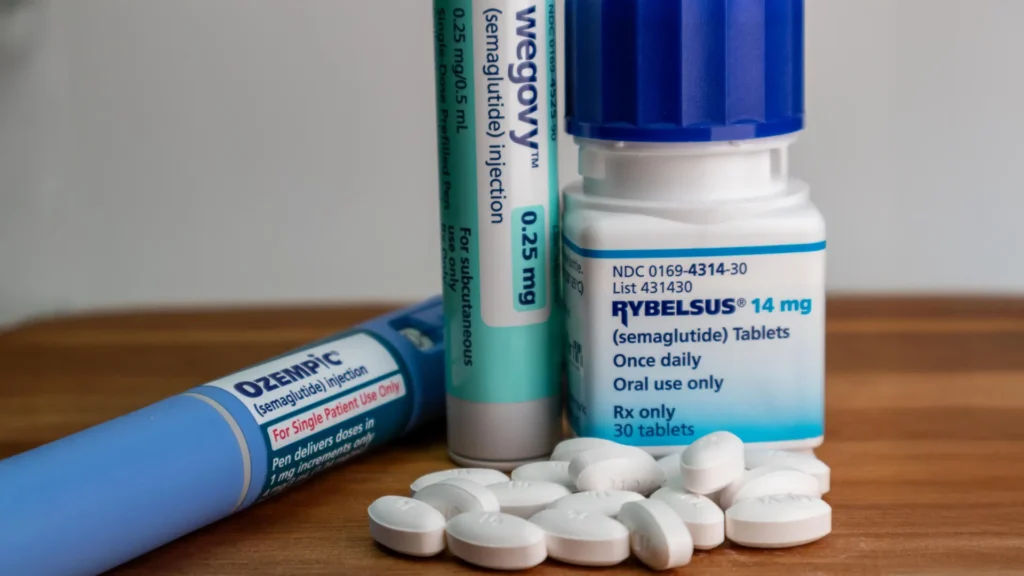
Researchers have discovered that the GLP-1 hormone targeted by drugs like Wegovy is present in very low amounts inside the joints of arthritis patients. That finding suggests high-dose GLP-1 medications could potentially reach the joints and influence inflammation directly, not just help through weight loss. Scientists say this could open the door to a completely Read More
One‑week radiotherapy course shown to be safe and effective in the long term for early‑stage breast cancerOne‑week radiotherapy course shown to be safe and effective in the long term for early‑stage breast cancer

Research led by a Keele University oncologist has found that a one-week course of post-surgery radiotherapy is just as safe and effective as the traditional three-week course for people with early-stage breast cancer. The FAST-Forward trial, led by Keele’s Professor Murray Brunt and sponsored by The Institute of Cancer Research, London, followed more than 4,000 patients for a decade after their treatment.
GLP-1 drugs may reduce the risk of cancer progressing, study suggestsGLP-1 drugs may reduce the risk of cancer progressing, study suggests
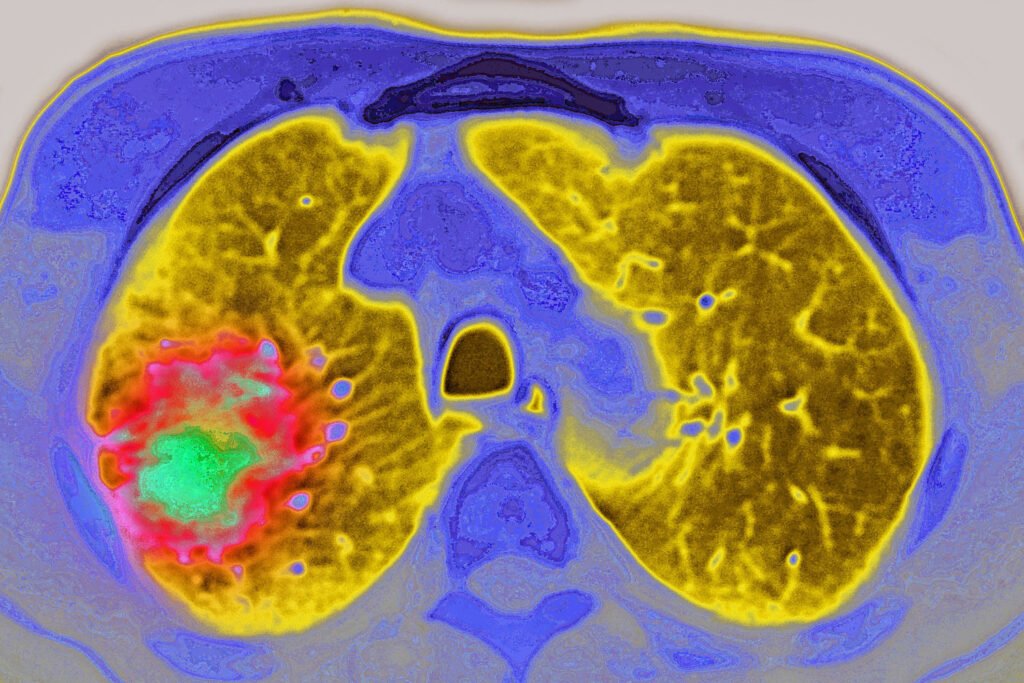
GLP-1 drugs may be linked to a lower risk of cancer progression, according to new research that will be presented next week at the American Society of Clinical Oncology’s annual meeting. GLP-1 drugs may be linked to a lower risk of cancer progression, according to new research that will be presented next week at the Read More