AI could help predict your risk of breast cancer in the next four yearsAI could help predict your risk of breast cancer in the next four years

An artificial intelligence (AI) algorithm used to detect breast cancer in screening scans has been adapted into a risk score that estimates a woman’s risk of developing breast cancer over the next four years, according to a new paper published in The Lancet Digital Health. The AI-based tool, called the BRAIx risk score, identified women at high risk of developing breast cancer, with nearly 1 in 10 of those scored in the top 2% by the tool diagnosed within four years despite being given the all-clear.
Most Patients Keep Weight Off With Fewer GLP-1 Shots, Study FindsMost Patients Keep Weight Off With Fewer GLP-1 Shots, Study Finds
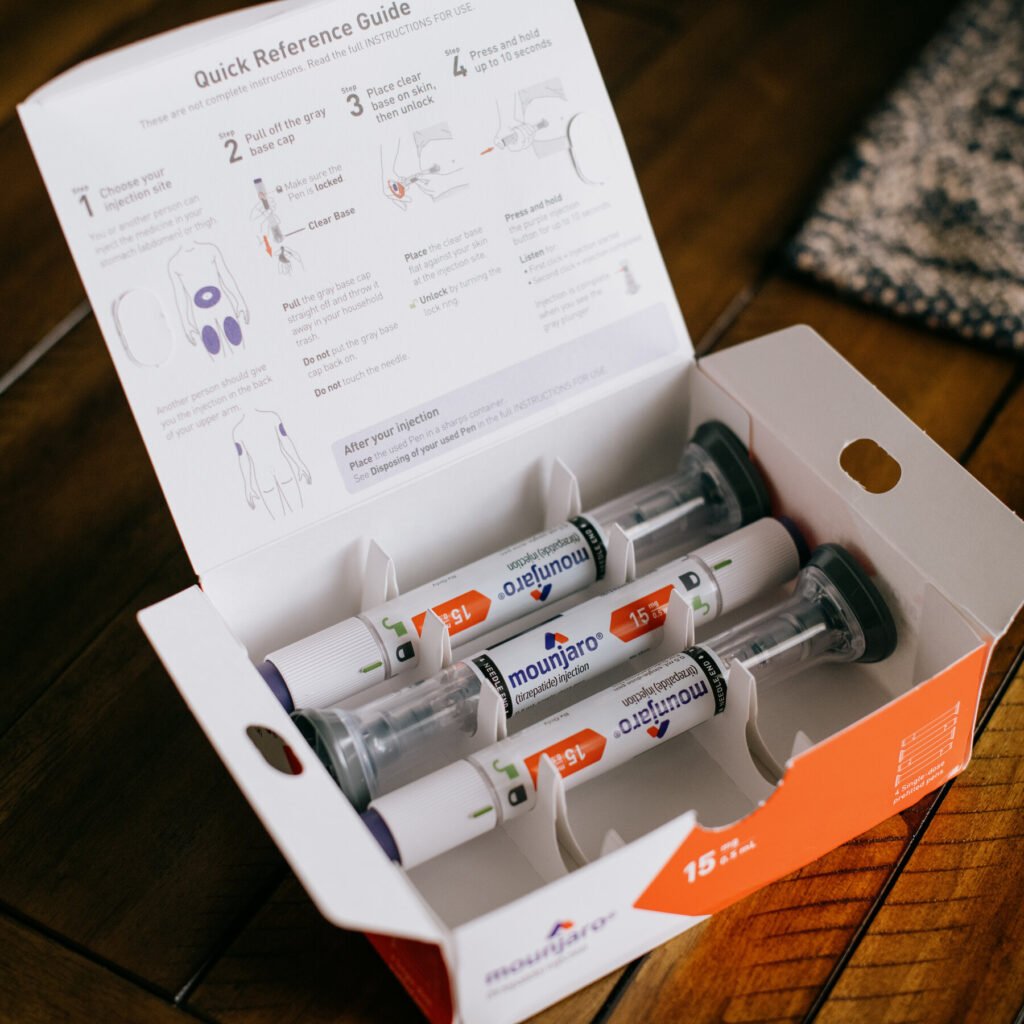
In a recent review, a small group of patients received the injections less frequently but still maintained weight loss and health benefits. In a recent review, a small group of patients received the injections less frequently but still maintained weight loss and health benefits.
No more weekly injections? How lettuce cells could deliver GLP-1 pillsNo more weekly injections? How lettuce cells could deliver GLP-1 pills

Research led by Penn Dental’s Henry Daniell investigates the use of a lettuce-based, plant-encapsulated delivery platform as a new oral delivery of two GLP-1 drugs previously approved by the FDA in injectable form. Research led by Penn Dental’s Henry Daniell investigates the use of a lettuce-based, plant-encapsulated delivery platform as a new oral delivery of Read More
GLP-1 weight-loss drugs comparably effective across age, race and starting weightGLP-1 weight-loss drugs comparably effective across age, race and starting weight

Popular GLP-1 receptor agonist drugs for weight loss, also known as GLP-1 RAs, appear to be similarly effective among patients of different ages, races, and starting weights, with women benefiting somewhat more than men, according to a study led by researchers at the Johns Hopkins Bloomberg School of Public Health. Popular GLP-1 receptor agonist drugs Read More
STAT+: FDA warns more telehealth firms about compounded GLP-1sSTAT+: FDA warns more telehealth firms about compounded GLP-1s
Want to stay on top of the science and politics driving biotech today? Sign up to get our biotech newsletter in your inbox. Good morning. Moderna is avoiding what would have been a high-profile trial, but will still have to pay up. That and more news below. Let’s get to it. Moderna to pay major settlement in Read More
AI could help us more accurately screen for breast cancer—new researchAI could help us more accurately screen for breast cancer—new research

At least 20,000 Australian women are diagnosed with breast cancer each year. And more than 3,300 die from the disease. To save women’s lives, we need to detect breast cancer early. Breast screening, which halves women’s risk of dying from breast cancer, is key to that.
Work exploring role of the mannose pathway in regulating cell fate decisions may hold promise for cancer therapyWork exploring role of the mannose pathway in regulating cell fate decisions may hold promise for cancer therapy

A research team has conducted a study exploring the role of the mannose pathway in regulating cell fate decisions in low glucose environments. Their work may hold potential for novel therapeutic strategies in cancer treatments. The research is published in the Journal of Biological Chemistry.
FDA Warns 30 Telehealth Firms Over Compounded GLP-1 MedicationsFDA Warns 30 Telehealth Firms Over Compounded GLP-1 Medications

(MedPage Today) — Thirty warning letters were issued to telehealth companies for false and misleading claims about compounded GLP-1 receptor agonist products, the FDA announced on Tuesday. The letters primarily targeted claims implying “sameness… (MedPage Today) — Thirty warning letters were issued to telehealth companies for false and misleading claims about compounded GLP-1 receptor Read More
GLP-1 drugs may cut risk of major heart complications after heart attackGLP-1 drugs may cut risk of major heart complications after heart attack

Weight-loss (GLP-1 mimicking) drugs may help prevent further tissue damage following a heart attack, significantly reducing the risk of further life-threatening complications that affect up to half of all patients, according to a new study led by the University of Bristol and University College London (UCL). Weight-loss (GLP-1 mimicking) drugs may help prevent further tissue Read More
High-fat diet accelerates triple-negative breast cancer growth in engineered tumorsHigh-fat diet accelerates triple-negative breast cancer growth in engineered tumors

A multidisciplinary team of researchers at Princeton University conducted a study to find out what patients diagnosed with breast cancer should eat to ensure the best prognosis. “We took the approach of building identical engineered tumors and culturing them in conditions that mimic the blood composition of patients under different dietary states,” author Celeste M. Nelson said. “We were hoping to identify dietary conditions that would slow tumor growth. Instead, we found one dietary condition—a high-fat diet—that sped up tumor growth.”