What to know as first FDA-approved GLP-1 pill for weight loss heads for pharmaciesWhat to know as first FDA-approved GLP-1 pill for weight loss heads for pharmacies

The FDA has approved the first GLP-1 pill for weight loss and it’s expected in pharmacies in the coming weeks. Dr. Holly Lofton, director of the Medical Weight Management Program at NYU Langone, joins CBS News to discuss. The FDA has approved the first GLP-1 pill for weight loss and it’s expected in pharmacies in Read More
75% of Adults Have Obesity; Gestational Diabetes Rates Rising; Oprah Praises GLP-1s75% of Adults Have Obesity; Gestational Diabetes Rates Rising; Oprah Praises GLP-1s

(MedPage Today) — Over 75% of U.S. adults have obesity under a global Lancet Commission’s new definition of obesity, which includes three anthropometric measures along with body mass index. (JAMA Network Open) Officials are hoping access to GLP… (MedPage Today) — Over 75% of U.S. adults have obesity under a global Lancet Commission’s new Read More
Tirzepatide noninferior to dulaglutide for CV outcomes in type 2 diabetesTirzepatide noninferior to dulaglutide for CV outcomes in type 2 diabetes

Tirzepatide is noninferior to dulaglutide with respect to a composite of death from cardiovascular (CV) causes, myocardial infarction, or stroke among patients with type 2 diabetes and atherosclerotic CV disease, according to a study published in the Dec. 18/25 issue of the New England Journal of Medicine. Tirzepatide is noninferior to dulaglutide with respect to Read More
The weight-loss drugs on trial in 2026 may trump Ozempic and ZepboundThe weight-loss drugs on trial in 2026 may trump Ozempic and Zepbound

Drugs like Ozempic, Wegovy and Zepbound have transformed how we treat obesity, but more effective treatments could be down the road Drugs like Ozempic, Wegovy and Zepbound have transformed how we treat obesity, but more effective treatments could be down the road
How pregnancy and breastfeeding enhance local immunity that cancer-proof the breastHow pregnancy and breastfeeding enhance local immunity that cancer-proof the breast

For centuries, physicians observed that nuns, who are celibate, had much higher rates of breast cancer, leading to the theory that pregnancy, childbirth, and breastfeeding might be associated with lower breast cancer risk. Numerous epidemiological studies have since supported this, finding that women with more children and breastfed tend to have lower rates of breast cancer and other reproductive issues.
Supporting Breast Cancer Patients Through a Team-Based Approach to CareSupporting Breast Cancer Patients Through a Team-Based Approach to Care
(MedPage Today) — In “Beyond Diagnosis: Breast Cancer,” Cleveland Clinic oncologist Tiffany Onger, MD, and host John Mangels continue their conversation on communicating effectively and empathetically with patients across the breast cancer care…
Effect of adjuvant carboplatin intensified chemotherapy versus standard chemotherapy on survival in women with high risk, early stage, triple negative breast cancer (CITRINE): randomised, open label phase 3 trialEffect of adjuvant carboplatin intensified chemotherapy versus standard chemotherapy on survival in women with high risk, early stage, triple negative breast cancer (CITRINE): randomised, open label phase 3 trial

1. Among patients with high-risk, early-stage triple-negative breast cancer, the addition of carboplatin to a standard anthracycline/taxane adjuvant chemotherapy regimen significantly improved survival outcomes with a reduction in early recurrence risk. Evidence Rating Level: 1 (Excellent) Among the classical subtypes of breast cancer, triple-negative breast cancer is an aggressive disease with higher early recurrence than
The post Effect of adjuvant carboplatin intensified chemotherapy versus standard chemotherapy on survival in women with high risk, early stage, triple negative breast cancer (CITRINE): randomised, open label phase 3 trial first appeared on 2 Minute Medicine. Source: 2 Minute Medicine
STAT+: With the Wegovy pill, Novo Nordisk undercuts Eli Lilly in direct-to-consumer marketSTAT+: With the Wegovy pill, Novo Nordisk undercuts Eli Lilly in direct-to-consumer market
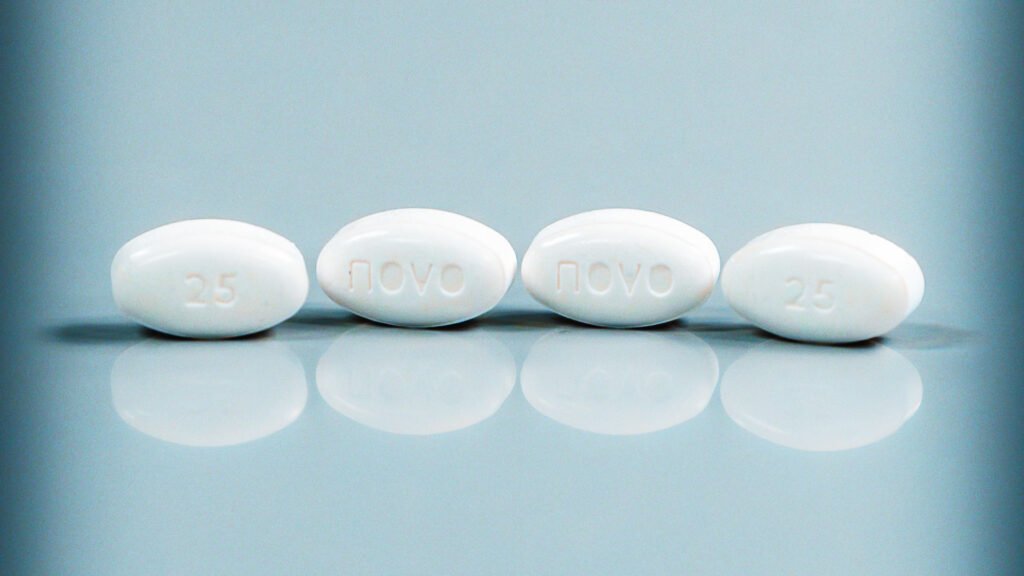
Novo Nordisk plans to sell its newly approved obesity pill directly to patients at a lower price than a competing medicine from Eli Lilly, as the Danish drugmaker tries to seize market share among consumers paying cash for blockbuster GLP-1 therapies. Novo will sell the highest doses of its Wegovy pill, cleared last week, at Read More
GLP-1 Agents Tied to Less Risk of Asthma Exacerbations in Teens With ObesityGLP-1 Agents Tied to Less Risk of Asthma Exacerbations in Teens With Obesity
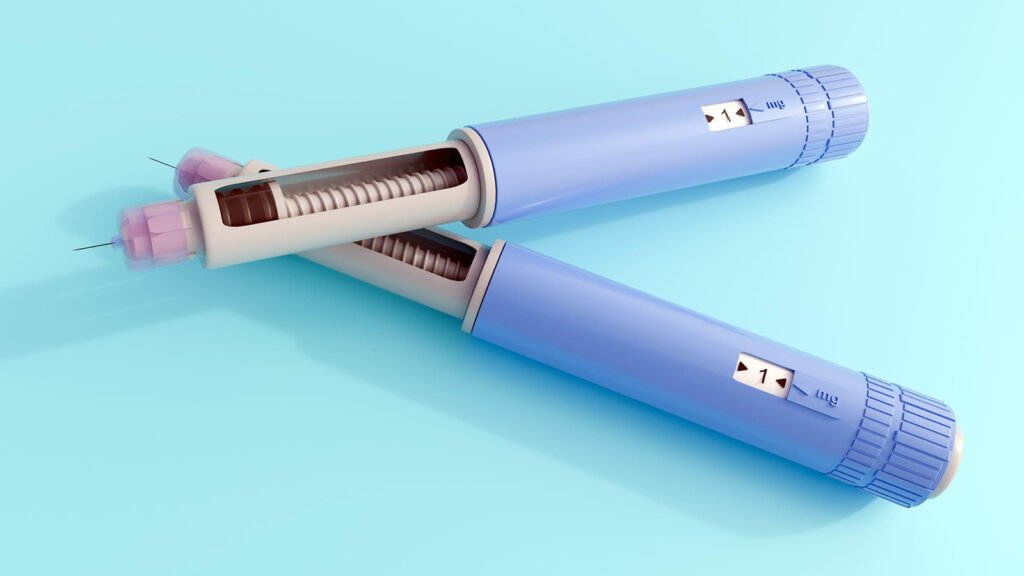
(MedPage Today) — Adolescents with overweight or obesity and asthma had a lower risk of asthma exacerbations after starting a GLP-1 receptor agonist, a retrospective cohort study found. Among 1,070 patients ages 12 to 18, 5.4% of those taking… (MedPage Today) — Adolescents with overweight or obesity and asthma had a lower risk of Read More
FDG-PET Accurately Tracks Tx Response in Metastatic Breast CancerFDG-PET Accurately Tracks Tx Response in Metastatic Breast Cancer

(MedPage Today) — At the San Antonio Breast Cancer Symposium, Jennifer Specht, MD, of the University of Washington and Fred Hutch Cancer Center, Seattle, presented results from the ECOG-ACRIN FEATURE trial, a phase II study evaluating fluorodeoxyglucose…