MIT study shows high-fat diets give liver cancer a dangerous head startMIT study shows high-fat diets give liver cancer a dangerous head start
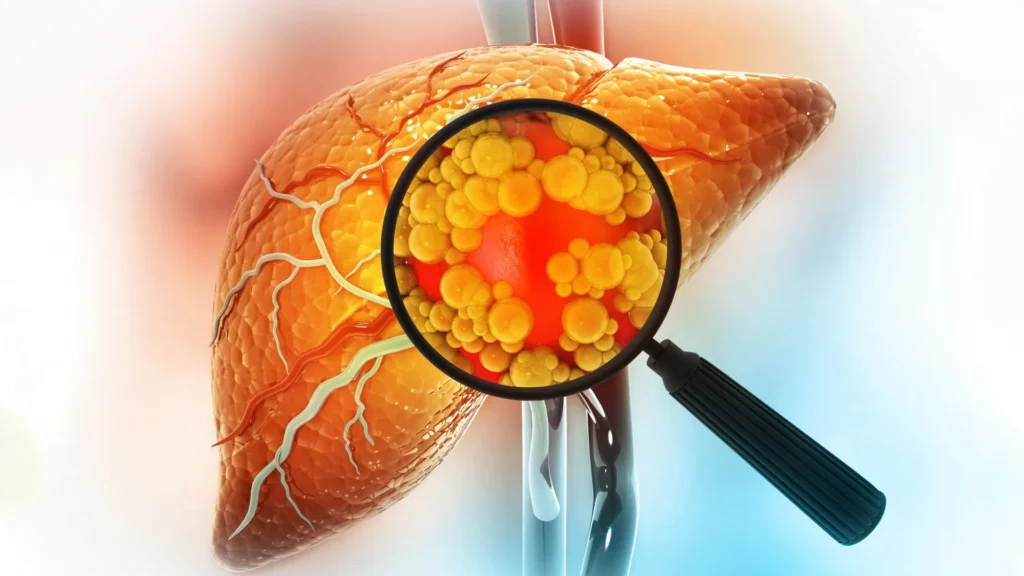
A high-fat diet does more than overload the liver with fat. New research from MIT shows that prolonged exposure to fatty foods can push liver cells into a survival mode that quietly raises the risk of cancer. Faced with ongoing metabolic stress, these cells abandon their normal roles and revert to a more primitive state that helps them endure harsh conditions. Over time, that shift leaves the liver less functional and far more vulnerable to tumor formation, helping explain why fatty liver disease so often precedes liver cancer.
Semaglutide and Tirzepatide Prescribing in Patients With Preexisting Comorbid CancersSemaglutide and Tirzepatide Prescribing in Patients With Preexisting Comorbid Cancers
This cohort study compares incident and prevalent prescription rates of glucagon-like peptide-1 receptor agonists among adults with at least 1 obesity-related comorbidity and newly diagnosed cancer. This cohort study compares incident and prevalent prescription rates of glucagon-like peptide-1 receptor agonists among adults with at least 1 obesity-related comorbidity and newly diagnosed cancer.
New CMS Demo Aims to Increase Access to GLP-1s Under Medicaid and Part DNew CMS Demo Aims to Increase Access to GLP-1s Under Medicaid and Part D

(MedPage Today) — The Trump administration announced a new demonstration program aimed at easing access to GLP-1 receptor agonists for enrollees in Medicare Part D and Medicaid plans, but experts say it’s unclear how popular or effective it will… (MedPage Today) — The Trump administration announced a new demonstration program aimed at easing access Read More
ADHD Drugs Work Differently? Infant Screen Time; GLP-1 Psychological Side EffectsADHD Drugs Work Differently? Infant Screen Time; GLP-1 Psychological Side Effects

(MedPage Today) — An imaging study suggested prescription attention deficit hyperactivity disorder (ADHD) drugs may work differently than previously thought by affecting arousal and reward, not attention networks. (Cell) Post-natal depression… (MedPage Today) — An imaging study suggested prescription attention deficit hyperactivity disorder (ADHD) drugs may work differently than previously thought by affecting arousal Read More
Pre-Existing Fatigue Tied to Worse Toxicity From Systemic Cancer TherapyPre-Existing Fatigue Tied to Worse Toxicity From Systemic Cancer Therapy

(MedPage Today) — Higher levels of pre-existing fatigue in cancer patients correlated with greater risk of experiencing severe or worse toxic effects when receiving systemic therapy, according to pooled trial analysis.
Across 17 SWOG Cancer Research…
Oprah Winfrey admits she drank 17 shots of tequila in one night before giving up alcohol due to GLP-1Oprah Winfrey admits she drank 17 shots of tequila in one night before giving up alcohol due to GLP-1

Oprah Winfrey is opening up about her weight-loss journey. During a recent interview with People magazine, the 71-year-old television personality discussed her new book, “Enough,” which she co-wrote with obesity expert Dr. Ania M. Jastreboff, which details her journey with obesity, saying, “I feel more alive and more vibrant than I’ve ever been.” “I feel Read More
The WHO learned to love ‘anti-obesity’ jabs in 2025. I don’t fully agree, but I get it | Devi SridharThe WHO learned to love ‘anti-obesity’ jabs in 2025. I don’t fully agree, but I get it | Devi Sridhar

While GLP-1 drugs promise an easy fix, our bodies still need what they have always needed: healthy food and regular exerciseProf Devi Sridhar is chair of global public health at the University of EdinburghIf there has been a hot topic in health in 2025, it’s definitely been GLP-1s, colloquially referred to as “anti-obesity” jabs. These medications, taken weekly as an injection into the abdomen, result in significant weight loss and, despite being developed to manage type 2 diabetes in those with metabolic disorders, have become mainstream in many countries as a treatment for obesity. Clinicians rave about the health outcomes in patients taking the medication, with study after study emerging on the health benefits of the associated weight loss in those who are obese. Celebrity endorsements, online sales and off-label use have seen them widely used by people of all ages and sizes who want to drop weight.For the public health community, it’s an odd moment. For years, we’ve advocated for government action on obesity – not through new drugs, but by taking nutrition and food systems seriously. We’ve highlighted the need for government action on making nutritious food affordable, regulating ultra-processed foods, bringing in sugar taxes and banning advertising of unhealthy products to young people, alongside encouraging an increase in physical activity. The solutions are simple: get people to eat more nutritious food and move. The challenge has been implementation, especially in deprived areas.Prof Devi Sridhar is chair of global public health at the University of EdinburghFit Forever: Wellness for midlife and beyond
On Wednesday 28 January 2026, join Annie Kelly, Devi Sridhar, Joel Snape and Mariella Frostrup, as they discuss how to enjoy longer and healthier lives, with expert advice and practical tips. Book tickets here or at guardian.live Continue reading…
Weight Loss Drug Giants Prepare to Debut Oral GLP-1 OptionsWeight Loss Drug Giants Prepare to Debut Oral GLP-1 Options

With Americans focused on getting fit in the new year, a groundbreaking new option is set to shift the weight loss landscape with two pharmaceutical giants both preparing to debut their oral GLP-1 options. The FDA approved Novo Nordisk’s once-daily Wegovy pill last week and Eli Lilly is awaiting FDA approval on its pill that Read More
Older Americans are quitting GLP-1 weight-loss drugs for 4 key reasonsOlder Americans are quitting GLP-1 weight-loss drugs for 4 key reasons
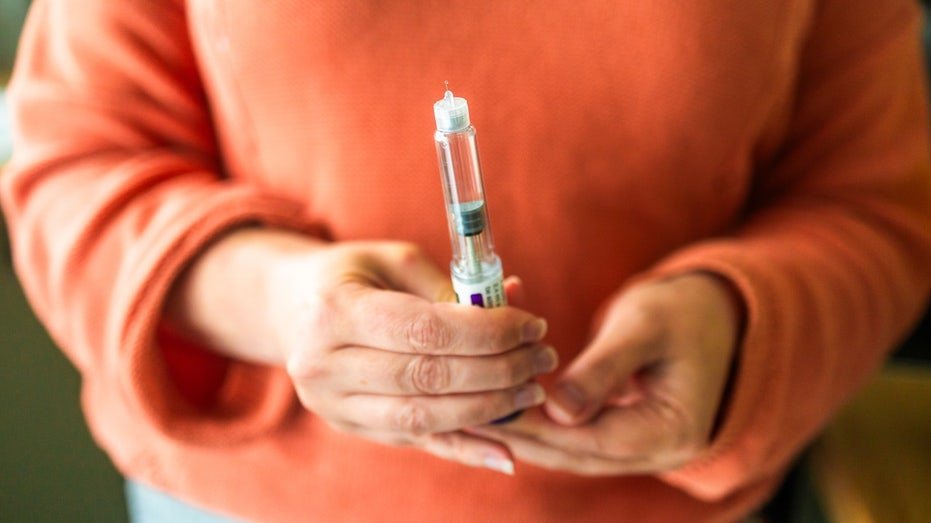
GLP-1 medications have dominated the weight-loss landscape this year — but some older Americans are reportedly kicking the trend to the curb. A study published in JAMA in January 2025 — which looked at more than 125,000 overweight or obese people — found that nearly 47% of those with type 2 diabetes and 65% of Read More
Where you live may be fueling aggressive breast cancerWhere you live may be fueling aggressive breast cancer

New research shows that women living near Superfund sites are more likely to develop aggressive and metastatic breast cancers. The studies found higher risks for hard-to-treat subtypes like triple-negative breast cancer, especially in areas with greater air pollution. Scientists also discovered molecular tumor changes linked to neighborhood deprivation. The findings point to environmental exposure and social conditions as key factors shaping cancer outcomes.