More than a quarter of adults worldwide could benefit from GLP-1 medications for weight loss, study findsMore than a quarter of adults worldwide could benefit from GLP-1 medications for weight loss, study finds

The worldwide prevalence of obesity has more than doubled in the last three decades, bringing with it an increase in weight-related diseases like diabetes, cardiovascular disease, and cancers. This public health crisis strains global health care systems and economies, but a new study co-led by investigators from Mass General Brigham could inform strategic programs to Read More
STAT+: Eli Lilly’s Zepbound, on top of immunology drug, helped reduce psoriatic arthritis symptomsSTAT+: Eli Lilly’s Zepbound, on top of immunology drug, helped reduce psoriatic arthritis symptoms
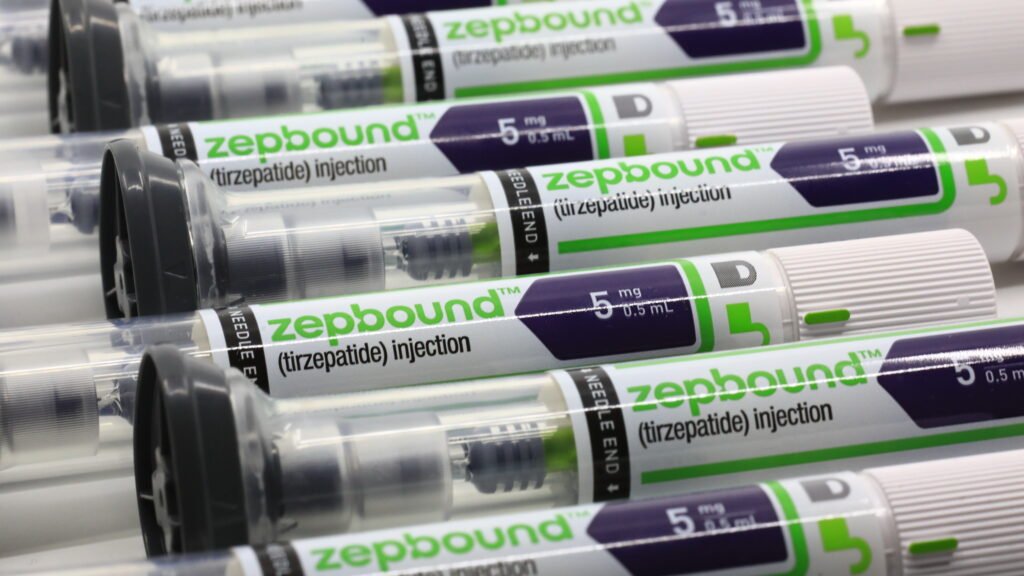
Eli Lilly said Thursday that adding its weight loss drug Zepbound on top of its immunology therapy Taltz helped obese patients with an autoimmune condition that causes joint pain more than Taltz did alone. The data suggest the GLP-1 drug Zepbound, which has already been shown to help with obesity and sleep apnea, among other Read More
GLP-1 receptor agonists tied to reduced acute asthma exacerbations in teens with overweight, obesityGLP-1 receptor agonists tied to reduced acute asthma exacerbations in teens with overweight, obesity

Glucagon-like peptide-1 receptor agonist (GLP-1 RA) use is associated with a lower risk for acute asthma exacerbations in adolescents with overweight or obesity, according to a research letter published online Dec. 29 in JAMA Network Open. Glucagon-like peptide-1 receptor agonist (GLP-1 RA) use is associated with a lower risk for acute asthma exacerbations in adolescents Read More
Walking eases fatigue among colon cancer patientsWalking eases fatigue among colon cancer patients

Regular physical activity—especially walking—can significantly reduce fatigue among people with colon cancer, a new study says.
Cholesterol-lowering drug can overcome chemotherapy resistance in triple-negative breast cancer, researchers discoverCholesterol-lowering drug can overcome chemotherapy resistance in triple-negative breast cancer, researchers discover

Triple-negative breast cancer (TNBC) is among the most aggressive types of breast cancer, lacking estrogen, progesterone, and HER2 receptors and thus relying primarily on cytotoxic chemotherapy. Despite initial responsiveness, many patients experience rapid relapse driven by cancer stem-like cells that survive chemotherapy and seed metastasis.
Ozempic, Wegovy might lower colon cancer riskOzempic, Wegovy might lower colon cancer risk

Ozempic and Wegovy might help people avoid colon cancer as well as promote weight loss or control diabetes, a new study says. Ozempic and Wegovy might help people avoid colon cancer as well as promote weight loss or control diabetes, a new study says.
This weight loss option beats Ozempic by 5 timesThis weight loss option beats Ozempic by 5 times

Bariatric surgery far outperformed GLP-1 weight loss drugs in a new real-world comparison of more than 50,000 patients. Two years after treatment, surgery patients lost about 58 pounds on average, while those using semaglutide or tirzepatide lost roughly 12 pounds. Even patients who stayed on GLP-1 drugs for a full year saw much smaller results Read More
Perceptions of GLP-1 RA Use for Children Among Caregivers With Food InsecurityPerceptions of GLP-1 RA Use for Children Among Caregivers With Food Insecurity
This qualitative study explores perceptions among caregivers who have food insecurity about use of glucagon-like peptide-1 receptor agonists (GLP-1 RAs) for children with obesity and metabolic disease. This qualitative study explores perceptions among caregivers who have food insecurity about use of glucagon-like peptide-1 receptor agonists (GLP-1 RAs) for children with obesity and metabolic disease.
GLP-1 Use Linked to Lower Colon Cancer Risk vs AspirinGLP-1 Use Linked to Lower Colon Cancer Risk vs Aspirin

(MedPage Today) — SAN FRANCISCO — Patients with a history of GLP-1 receptor agonist treatment had a significantly lower risk of developing colorectal cancer (CRC) as compared with those who took aspirin, according to a retrospective study reported… (MedPage Today) — SAN FRANCISCO — Patients with a history of GLP-1 receptor agonist treatment had Read More
GLP-1 Use Linked to Lower Colon Cancer Risk vs AspirinGLP-1 Use Linked to Lower Colon Cancer Risk vs Aspirin
(MedPage Today) — SAN FRANCISCO — Patients with a history of GLP-1 receptor agonist treatment had a significantly lower risk of developing colorectal cancer (CRC) as compared with those who took aspirin, according to a retrospective study reported… (MedPage Today) — SAN FRANCISCO — Patients with a history of GLP-1 receptor agonist treatment had Read More