GLP-1 RA Use and Survival Among Patients With Type 2 Diabetes and Brain MetastasesGLP-1 RA Use and Survival Among Patients With Type 2 Diabetes and Brain Metastases
This cohort study assesses the association between glucagon-like peptide–1 receptor agonist (GLP-1 RA) use and survival in patients with type 2 diabetes and brain metastases. This cohort study assesses the association between glucagon-like peptide–1 receptor agonist (GLP-1 RA) use and survival in patients with type 2 diabetes and brain metastases.
LeaN On: Reducing risk of lymphedema after breast cancerLeaN On: Reducing risk of lymphedema after breast cancer

Living with, or being at risk of, lymphedema after breast cancer can leave many people feeling uncertain and overwhelmed. Too often, survivors must search for information on their own, sometimes too late, and without clear guidance on what matters most for their long-term health. To help address this challenge, researchers from Flinders University have developed Lymphedema Navigation Online (LeaN On), a new evidence-based digital platform supporting breast cancer survivors across Australia who are living with, or worried about, lymphedema.
GLP-1 medication changes may support long-term weight managementGLP-1 medication changes may support long-term weight management

Patients without diabetes who switched GLP-1 receptor agonist (GLP-1RA) drugs for overweight or obesity were more likely to stick with their treatment longer than those who didn’t switch, according to a new study by UT Southwestern Medical Center researchers. The findings, published in JAMA Network Open, suggest that medication changes are not uncommon among patients Read More
Wegovy may have highest ‘eye stroke’ and sight loss risk among semaglutide GLP-1 agonistsWegovy may have highest ‘eye stroke’ and sight loss risk among semaglutide GLP-1 agonists

Wegovy, a GLP-1 agonist for weight loss, may carry the highest risk of “eye stroke” (ischemic optic neuropathy) and sudden sight loss of the semaglutide drugs, finds an analysis of unintended side effect reports published in the British Journal of Ophthalmology. Wegovy, a GLP-1 agonist for weight loss, may carry the highest risk of “eye Read More
Tale of Two Drugs: Wegovy Linked to Higher Risk of Blinding Eye Stroke vs OzempicTale of Two Drugs: Wegovy Linked to Higher Risk of Blinding Eye Stroke vs Ozempic
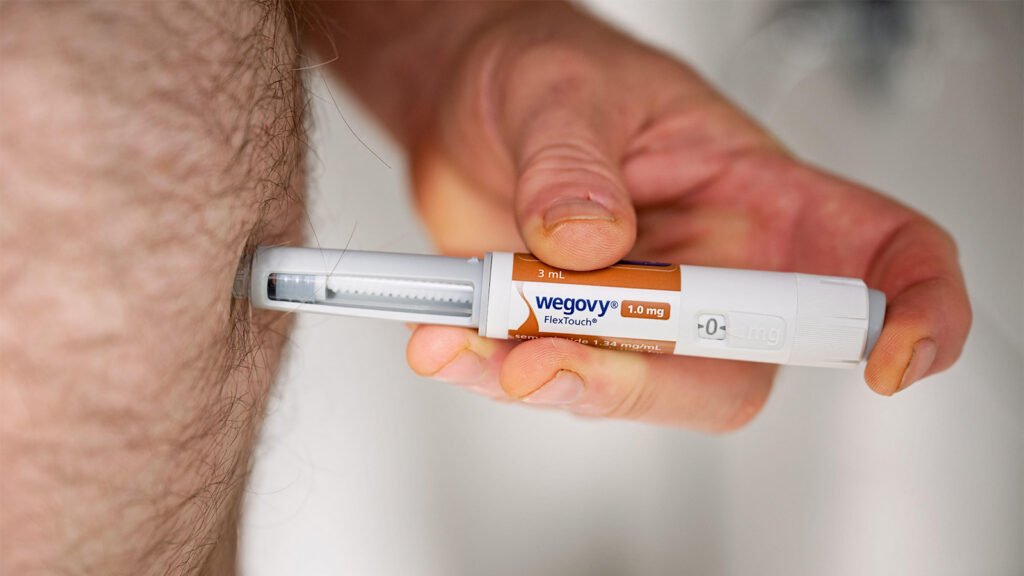
(MedPage Today) — The obesity drug semaglutide (Wegovy) conferred a significantly higher risk of ischemic optic neuropathy (ION) than any other GLP-1 agonist, including semaglutide for diabetes (Ozempic), an analysis of FDA data showed. In a… (MedPage Today) — The obesity drug semaglutide (Wegovy) conferred a significantly higher risk of ischemic optic neuropathy (ION) Read More
Wegovy users have five times greater risk of sudden sight loss than Ozempic users, study findsWegovy users have five times greater risk of sudden sight loss than Ozempic users, study finds

‘Eye strokes’ that reduce blood flow to optic nerve likely to be side-effect of active ingredient semaglutide, says author Patients taking Wegovy have nearly five times the risk of sudden sight loss of those on Ozempic, a large-scale study has found. Glucagon-like peptide-1 receptor agonist (GLP-1 RA) medicines such as semaglutide (sold as Wegovy, Ozempic Read More
Scientists discover molecule that stops aggressive breast cancer in its tracksScientists discover molecule that stops aggressive breast cancer in its tracks

Scientists at Oregon Health & Science University have developed a new molecule that could open the door to treating triple-negative breast cancer, one of the most aggressive and difficult-to-treat forms of the disease. The compound, called SU212, targets and disables a key enzyme that cancer cells rely on to fuel their growth. In tests using humanized mouse models, the molecule caused tumors to shrink and slowed the spread of cancer by forcing the enzyme to break down.
AI boosts breast cancer detection by 10.4% in UK screening evaluationAI boosts breast cancer detection by 10.4% in UK screening evaluation

The UK’s first comprehensive evaluation of the use of Artificial Intelligence (AI) in breast cancer screening found that it can increase breast cancer detection by 10.4% and has the potential to reduce the workload of health care workers by more than 30% compared to the current clinical process. Published today in Nature Cancer, the evaluation was carried out by a team of scientists, clinicians and software developers from the University of Aberdeen, NHS Grampian, and Kheiron Medical Technologies, now part of DeepHealth Inc.
FDA warns Novo Nordisk of potential unreported GLP-1 side effectsFDA warns Novo Nordisk of potential unreported GLP-1 side effects
The FDA issued a warning letter to Novo Nordisk — the maker of Ozempic and Wegovy — for failing to report potential side effects in patients who took its blockbuster medications. The FDA issued a warning letter to Novo Nordisk — the maker of Ozempic and Wegovy — for failing to report potential side effects Read More
2018 to 2025 saw rise in GLP-1 receptor agonist Rx for bariatric surgery-eligible patients2018 to 2025 saw rise in GLP-1 receptor agonist Rx for bariatric surgery-eligible patients

Among patients eligible for metabolic and bariatric surgery (MBS), glucagon-like peptide-1 receptor agonist (GLP-1 RA) prescriptions increased from 2018 to 2025, while MBS use decreased beginning in 2023, according to a research letter published online March 4 in JAMA Surgery. Among patients eligible for metabolic and bariatric surgery (MBS), glucagon-like peptide-1 receptor agonist (GLP-1 RA) Read More