STAT+: Pharmalittle: We’re reading about GLP-1 drugs and knees, FDA cell and gene therapy guidance, and moreSTAT+: Pharmalittle: We’re reading about GLP-1 drugs and knees, FDA cell and gene therapy guidance, and more

Good morning, everyone, and welcome to the middle of the week. Congratulations on making it this far, and remember there are only a few more days until the weekend arrives. So keep plugging away. After all, what are the alternatives? While you ponder the possibilities, we invite you to join us for a delightful cup Read More
Popular GLP-1 drug may slow down biological aging, analysis indicatesPopular GLP-1 drug may slow down biological aging, analysis indicates

Glucagon-like peptide-1 (GLP-1) receptor agonist medications have gained widespread attention for effectively treating obesity, lowering blood sugar and decreasing the risk of cardiovascular disease. Some researchers have proposed that these drugs may also influence the biology of aging, but direct evidence in humans has remained limited. Glucagon-like peptide-1 (GLP-1) receptor agonist medications have gained widespread Read More
GLP-1 agonists linked to significantly lower long-term risk of knee replacementGLP-1 agonists linked to significantly lower long-term risk of knee replacement

GLP-1 receptor agonist drugs, used for the treatment of diabetes—and more recently, weight loss—are associated with a significantly lower long-term risk of knee replacement surgery as a result of osteoarthritis, finds an analysis of medical records data, published in the open-access journal Regional Anesthesia & Pain Medicine. GLP-1 receptor agonist drugs, used for the treatment Read More
GLP-1 Drugs Cut Need for Knee ReplacementGLP-1 Drugs Cut Need for Knee Replacement
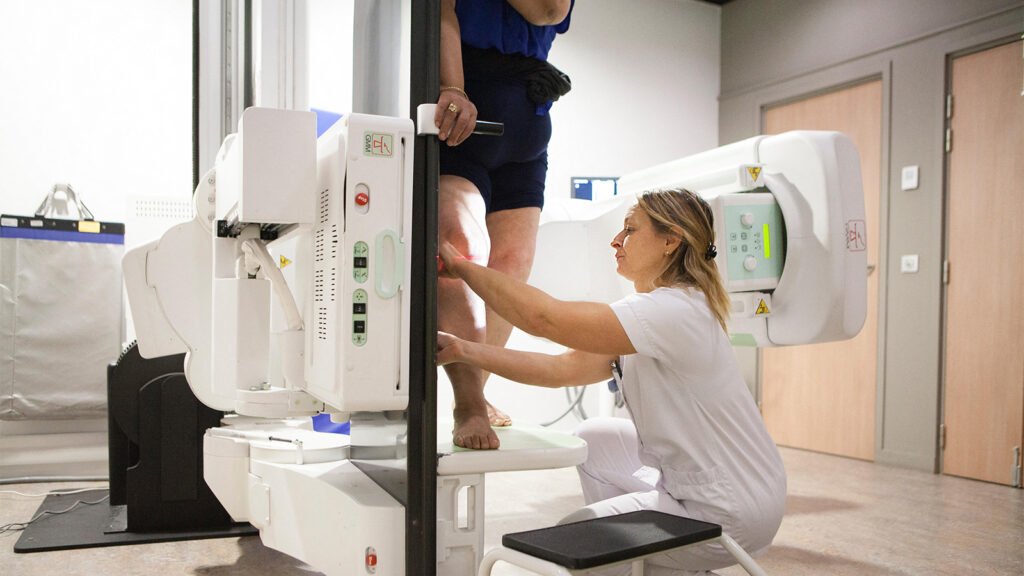
(MedPage Today) — People with knee osteoarthritis (OA) who used GLP-1 receptor agonists were less likely to undergo knee replacement surgery, an analysis of a large records database indicated. Compared with otherwise similar OA patients not taking… (MedPage Today) — People with knee osteoarthritis (OA) who used GLP-1 receptor agonists were less likely to Read More
AI helps accelerate breast cancer diagnosis for high-risk womenAI helps accelerate breast cancer diagnosis for high-risk women

Women with abnormal mammograms often have to wait for weeks to find out whether they have breast cancer. Now, researchers at UC San Francisco and UC Berkeley have found a way to help reduce the wait and the worry by using AI to quickly identify those who are most likely to have the disease. By triaging these patients, the AI-guided workflow takes women with abnormal scans through the diagnostic process—from imaging to evaluation and sometimes even biopsy—in a single day.
Omnipod Pod Recall; Afrezza OK’d for Kids 6 and Up; CVS to Cover Zepbound AgainOmnipod Pod Recall; Afrezza OK’d for Kids 6 and Up; CVS to Cover Zepbound Again

(MedPage Today) — Insulet initiated a voluntary device correction of certain Omnipod pods due to a manufacturing defect that causes insulin to leak rather than being fully delivered into the body, the FDA alerted. This action is separate from… (MedPage Today) — Insulet initiated a voluntary device correction of certain Omnipod pods due to Read More
GLP‑1 drugs like Ozempic show promise for more than weight loss, but what’s science vs. hype?GLP‑1 drugs like Ozempic show promise for more than weight loss, but what’s science vs. hype?

You’ve probably heard of Ozempic or Wegovy. These are the injectable drugs that have become household names for weight loss and diabetes. You’ve probably heard of Ozempic or Wegovy. These are the injectable drugs that have become household names for weight loss and diabetes.
More Data Support Trodelvy-Keytruda Combo in Triple-Negative Breast CancerMore Data Support Trodelvy-Keytruda Combo in Triple-Negative Breast Cancer

(MedPage Today) — CHICAGO — Sacituzumab govitecan (SG, Trodelvy) added to pembrolizumab (Keytruda) extended a surrogate measure of long-term clinical outcomes compared with chemotherapy plus pembrolizumab in patients with PD-L1-positive metastatic…
Breaking down findings of new study on weight loss drugs and breast cancerBreaking down findings of new study on weight loss drugs and breast cancer

Researchers from Penn Medicine found women taking GLP-1 drugs are less likely to be diagnosed with breast cancer. Dr. Celine Gounder breaks down the study’s findings and if the drugs caused the difference.
Weight-loss drugs can cut breast cancer risk by up to 30%, studies suggestWeight-loss drugs can cut breast cancer risk by up to 30%, studies suggest

Three studies add to evidence that jabs could be part of cancer-fighting toolkit to cut risk of developing or dying from diseaseWeight-loss drugs can cut the risk of developing or dying from cancer by 30%, doctors have said.Millions of people already use the drugs to treat obesity. Now a series of studies presented at the world’s largest oncology conference suggest the drugs could play a role in preventing and treating cancer. Continue reading…