Investigational GLP-1-Based Drug Hits MASH Resolution Mark, Misses Fibrosis TargetInvestigational GLP-1-Based Drug Hits MASH Resolution Mark, Misses Fibrosis Target
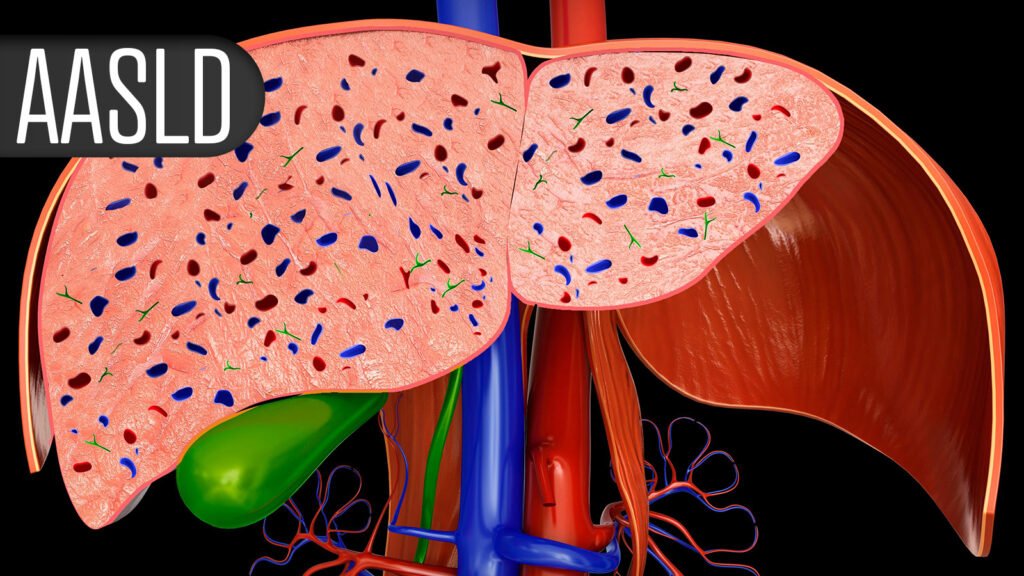
(MedPage Today) — WASHINGTON — Treatment with the investigational GLP-1/glucagon dual receptor agonist pemvidutide led to resolution of metabolic dysfunction-associated steatohepatitis (MASH) without worsening of fibrosis, but did not improve… (MedPage Today) — WASHINGTON — Treatment with the investigational GLP-1/glucagon dual receptor agonist pemvidutide led to resolution of metabolic dysfunction-associated steatohepatitis (MASH) without worsening Read More
GLP-1 drugs linked to dramatically lower death rates in colon cancer patientsGLP-1 drugs linked to dramatically lower death rates in colon cancer patients

A new University of California San Diego study offers compelling evidence that glucagon-like peptide-1 (GLP-1) receptor agonists—the class of drugs behind Ozempic, Wegovy and Mounjaro, for example—may do more than regulate blood sugar and weight. In an analysis of more than 6,800 colon cancer patients across all University of California Health sites, researchers found that Read More
Common Everyday Meds Linked to Worse Outcomes in Breast Cancer PatientsCommon Everyday Meds Linked to Worse Outcomes in Breast Cancer Patients
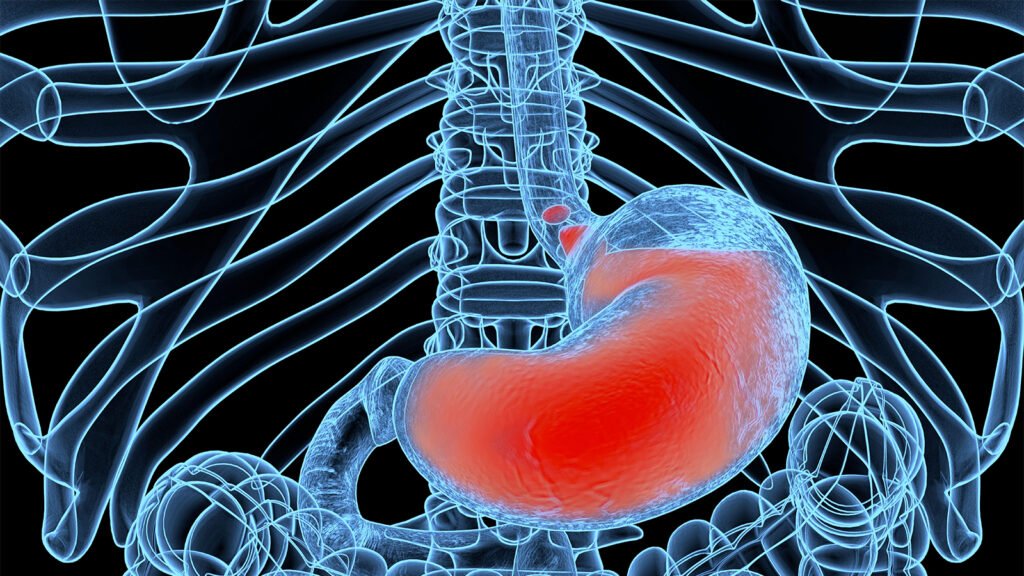
(MedPage Today) — Use of proton pump inhibitors (PPIs) alongside anti-cancer agents was associated with worse survival outcomes in patients with breast cancer, according to an observational study.
Using pooled patient data from 19 breast cancer…
Semaglutide’s MASH Benefits Extend Beyond Weight LossSemaglutide’s MASH Benefits Extend Beyond Weight Loss
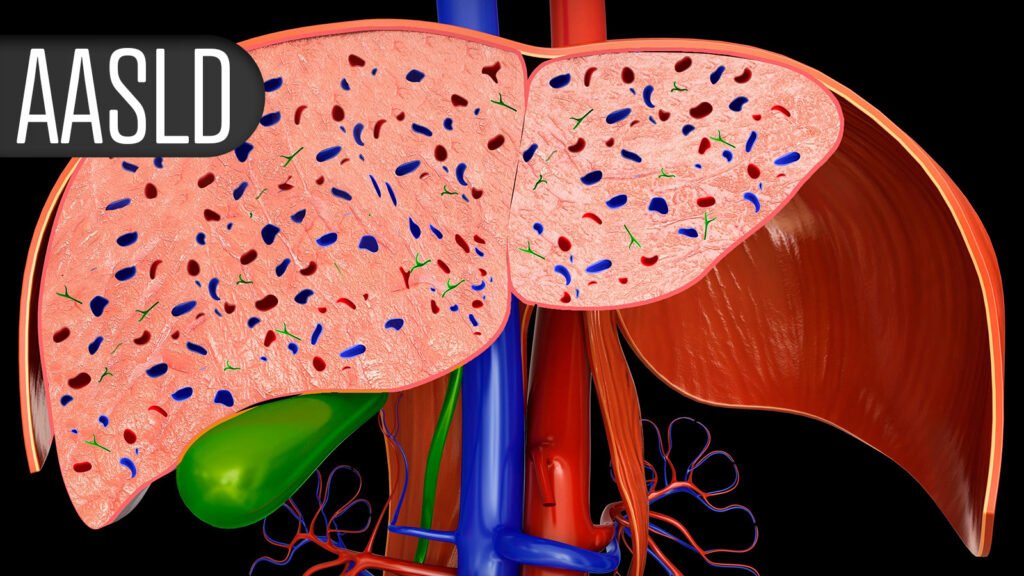
(MedPage Today) — WASHINGTON — Semaglutide (Wegovy) improved liver inflammation and fibrosis in patients with metabolic dysfunction-associated steatohepatitis (MASH) through both weight loss-related and direct biological effects, according… (MedPage Today) — WASHINGTON — Semaglutide (Wegovy) improved liver inflammation and fibrosis in patients with metabolic dysfunction-associated steatohepatitis (MASH) through both weight loss-related and direct biological Read More
Weight loss drug could help avoid need for follow-up bariatric surgeryWeight loss drug could help avoid need for follow-up bariatric surgery

Combining bariatric surgery with weight loss medication can help people who need to lose more weight post-surgery, Monash University and Alfred Health-led research has found.
Depression risk higher among long-term breast cancer survivors than women without breast cancer historyDepression risk higher among long-term breast cancer survivors than women without breast cancer history

Long-term breast cancer survivors have a higher risk for developing depression, particularly if they have insomnia, according to a study published online Oct. 10 in SLEEPJ.
Father–son team integrates AI into cancer researchFather–son team integrates AI into cancer research

For more than three decades, USF Distinguished University Professor Dmitry Goldgof in the Bellini College of Artificial Intelligence, Cybersecurity and Computing has been at the forefront of artificial intelligence research. His son, Dr. Gregory Goldgof, is a physician scientist at Memorial Sloan Kettering Cancer Center in New York City, where he serves as the director of Artificial Intelligence for Hematopathology. Trained in both computer science and medicine, Goldgof leads a translational AI laboratory developing deep learning tools to analyze diseases of the blood and bone marrow.
Antibody-Drug Conjugate Shows Benefits in HER2-Positive Early Breast CancerAntibody-Drug Conjugate Shows Benefits in HER2-Positive Early Breast Cancer

(MedPage Today) — The addition of neoadjuvant trastuzumab deruxtecan (T-DXd; Enhertu) significantly improved pathologic complete response (pCR) rates compared with anthracycline-containing chemotherapy in high-risk, HER2-positive early breast…
New study elucidates obesity’s role in fueling breast cancer progressionNew study elucidates obesity’s role in fueling breast cancer progression

Obesity and cancer are two major health challenges of our time, yet the link between them remains only partially understood. New research now highlights a molecular chain of events in estrogen receptor-positive breast cancer, revealing how leptin, a hormone produced by fat cells, signals cancer cells to grow. This leads to increased activity of the enzyme stearoyl-CoA desaturase (SCD), which fuels the growth and motility of cancer cells.
Tracking RNA levels reveals new clues in triple-negative breast cancer progressionTracking RNA levels reveals new clues in triple-negative breast cancer progression

When researchers look for potential cancer therapy targets, they typically go after protein-coding genes that participate in disease progression. Disrupt them and negate whatever role they play in cancer’s development or spread. Researchers at Cold Spring Harbor Laboratory (CSHL) have also been working on another kind of target. They’re studying a long non-coding RNA called MALAT1. So far, it’s been linked to more than 20 different types of tumors.