WHO backs GLP-1 treatments to tackle obesity epidemicWHO backs GLP-1 treatments to tackle obesity epidemic

A range of blockbuster weight-loss and diabetes drugs could help shift the trajectory of the global obesity epidemic, which affects over one billion people worldwide, the World Health Organization said Monday. A range of blockbuster weight-loss and diabetes drugs could help shift the trajectory of the global obesity epidemic, which affects over one billion people Read More
WHO recommends GLP-1 drugs for obesityWHO recommends GLP-1 drugs for obesity
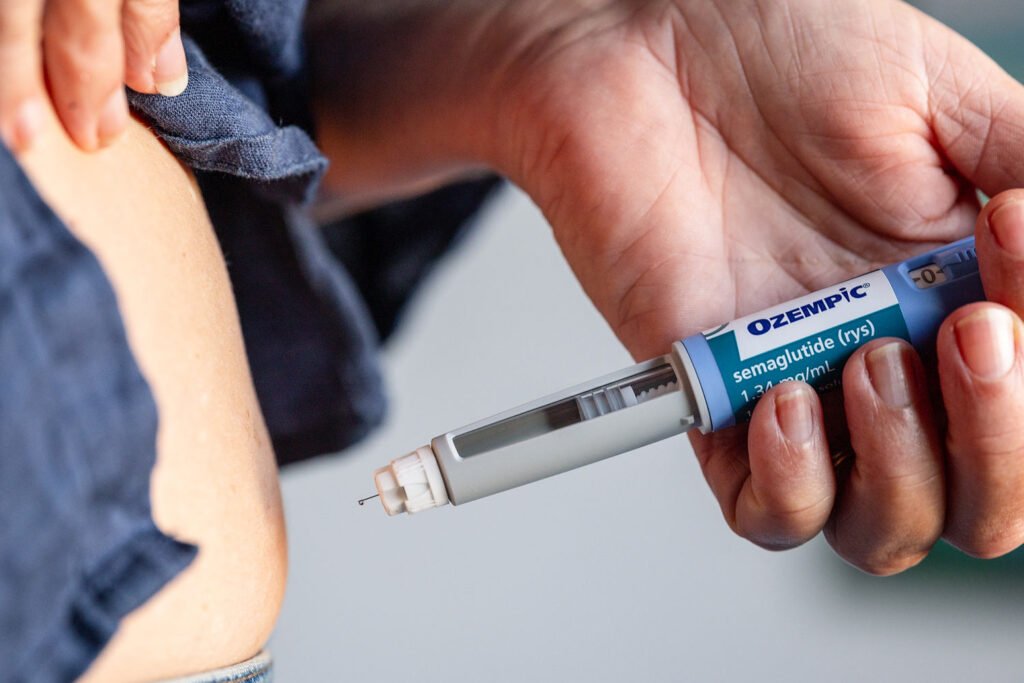
The World Health Organization on Monday recommended GLP-1 drugs as a tool to manage obesity in adults, marking a shift in the way the U.N. agency has historically framed obesity treatment. The World Health Organization on Monday recommended GLP-1 drugs as a tool to manage obesity in adults, marking a shift in the way the Read More
Study reveals alarming number of invasive breast cancers in younger womenStudy reveals alarming number of invasive breast cancers in younger women

A study of data from seven outpatient facilities in the New York region found that 20–24% of all the breast cancers diagnosed during an 11-year period were found in women aged 18 to 49, according to research being presented at the annual meeting of the Radiological Society of North America (RSNA).
Risk Prediction Model for Heart Failure or Cardiomyopathy After Breast Cancer TreatmentRisk Prediction Model for Heart Failure or Cardiomyopathy After Breast Cancer Treatment
This longitudinal cohort study investigates whether a risk prediction model can estimate the 10-year risk of developing heart failure or cardiomyopathy in women receiving systemic treatment for invasive early-stage breast cancer.
Contraceptive Choices and Breast Cancer RiskContraceptive Choices and Breast Cancer Risk
This Viewpoint explores the injunction against taking hormonal contraceptives among premenopausal women at increased risk for breast cancer.
Do All Breast Cancer Survivors Need to See a Cardiologist?Do All Breast Cancer Survivors Need to See a Cardiologist?
Little is known about the contribution of breast cancer treatments to the long-term development of heart failure (HF) and/or cardiomyopathy (CM) in patients. For some treatments (eg, anthracyclines), specific recommendations for cardiac surveillance are based on the total cumulative dose received. For ERBB2 (formerly HER2)-targeted treatments, monitoring largely occurs in the setting of active treatment, with little guidance for subsequent surveillance or risk assessment. The expanding number of breast cancer survivors, with cardiovascular disease as an important competing cause of mortality, brings attention to understanding who is at risk for HF/CM after breast cancer treatments and whether preventive cardiac surveillance is warranted.
Hormonal Contraceptive Formulations and Breast Cancer Risk in Adolescents and Premenopausal WomenHormonal Contraceptive Formulations and Breast Cancer Risk in Adolescents and Premenopausal Women
This cohort study estimates the difference in breast cancer risk associated with different hormonal contraceptive formulations.
Pathogenic Variants, Family History, and Cumulative Risk of Breast Cancer in US WomenPathogenic Variants, Family History, and Cumulative Risk of Breast Cancer in US Women
This study evaluates population-based breast cancer risk estimates for those with established pathogenic variants overall and stratified by first-degree family history of breast cancer and other factors.
GLP-1 Drugs and AMD: What We’ve Learned So FarGLP-1 Drugs and AMD: What We’ve Learned So Far
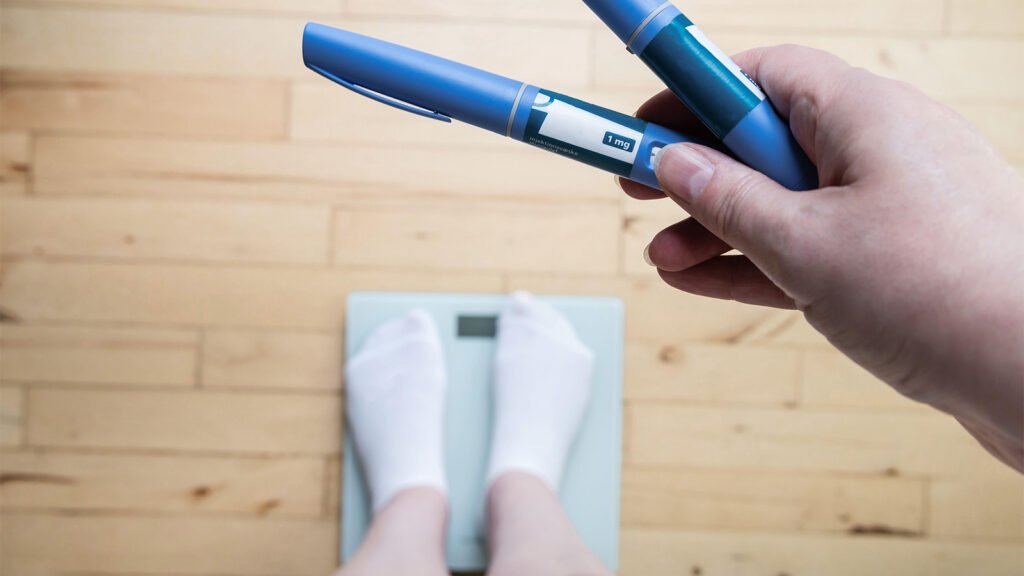
(MedPage Today) — GLP-1 receptor agonists are being linked to a long list of benefits besides weight loss and diabetes, as evidence suggests they can lower the risk of conditions ranging from cancer and addiction to suicidal ideation, stroke… (MedPage Today) — GLP-1 receptor agonists are being linked to a long list of benefits Read More
A breast cancer researcher at Harvard loses 1/3 of her staff amid NIH funding cutsA breast cancer researcher at Harvard loses 1/3 of her staff amid NIH funding cuts

Amid NIH funding delays, clawbacks and uncertainty, a scientist at Harvard who studies breast cancer has lost one third of her lab employees and wonders if she can continue her research experiments.