Pill Version of Wegovy Now Available: Prices, Effectiveness, MorePill Version of Wegovy Now Available: Prices, Effectiveness, More
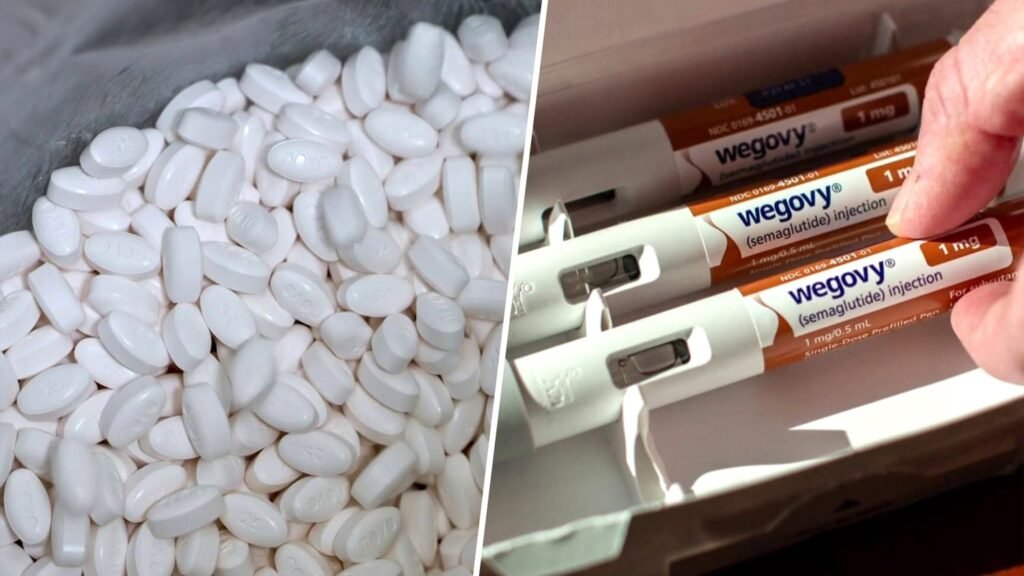
Novo Nordisk is announcing that a new pill version of Wegovy is now available in pharmacies across the United States. NBC’s medical contributor Dr. Natalie Azar joins TODAY to break down the available doses, its effectiveness compared to injectables, prices with and without insurance, and more. Novo Nordisk is announcing that a new pill version Read More
Semaglutide may lower burden of hospitalizations in high-risk patientsSemaglutide may lower burden of hospitalizations in high-risk patients

For patients at high cardiovascular risk with overweight or obesity, semaglutide is associated with reduced burden of total hospital admissions, according to a study published online in JAMA Cardiology. For patients at high cardiovascular risk with overweight or obesity, semaglutide is associated with reduced burden of total hospital admissions, according to a study published online Read More
Racial and Ethnic Disparities and Chemotherapy-Induced Alopecia in Breast CancerRacial and Ethnic Disparities and Chemotherapy-Induced Alopecia in Breast Cancer
This cohort study examines racial and ethnic disparities in the incidence of persistent chemotherapy-induced alopecia and associated psychological distress among women with breast cancer in the US and South Korea.
Will Wegovy’s Weight Loss Pill Change the Industry in 2026?Will Wegovy’s Weight Loss Pill Change the Industry in 2026?
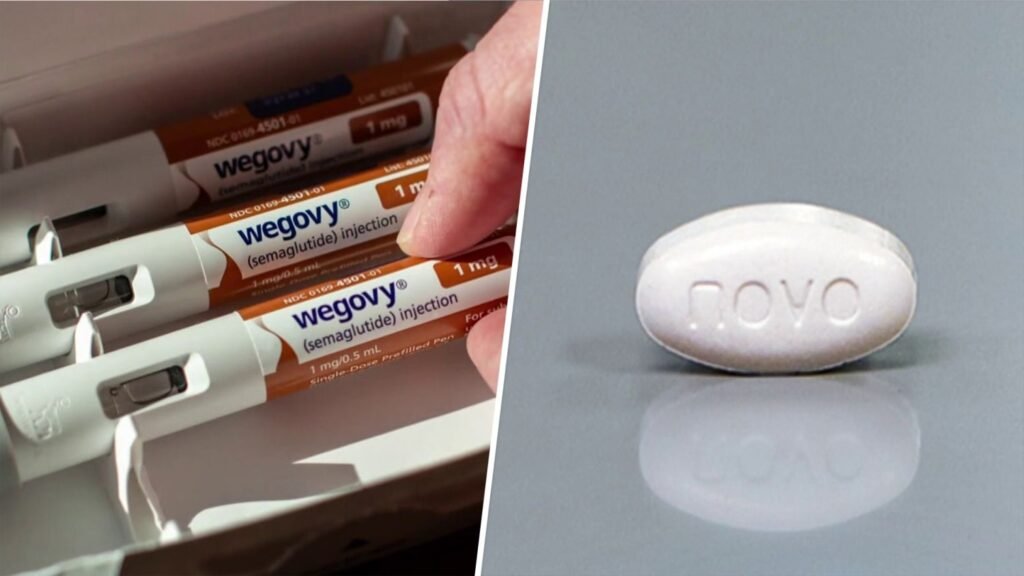
While there was an explosion in the use of GLP-1 drugs in 2025, two pharmaceutical giants are preparing to debut their oral options in 2026. The pills could transform the industry, but how do they compare to those injected drugs and what will they cost? NBC’s Liz Kreutz reports in this week’s Sunday Focus. While Read More
A smarter way to screen for breast cancer is emergingA smarter way to screen for breast cancer is emerging
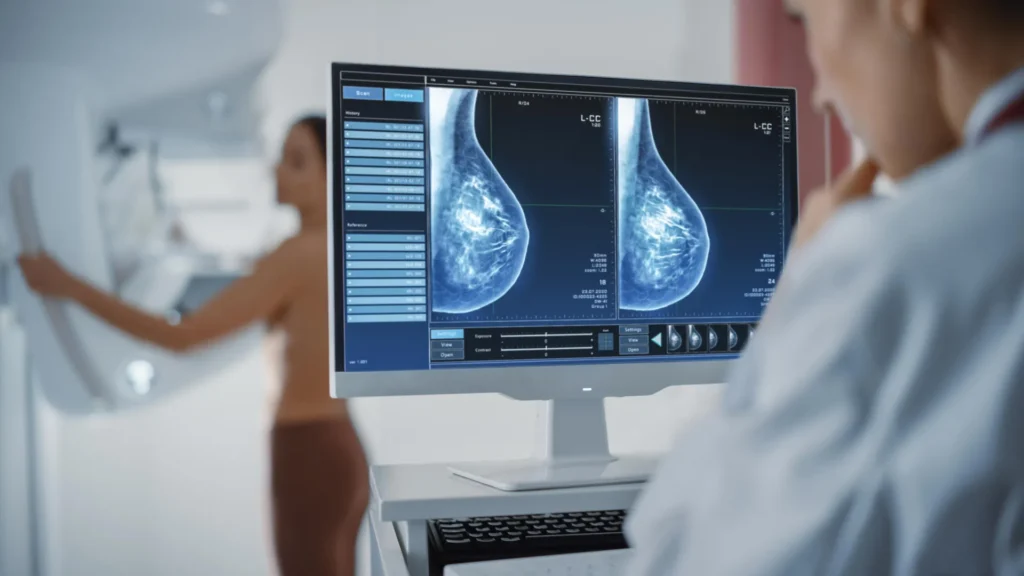
A groundbreaking study shows that breast cancer screening works better when it’s personalized. Instead of annual mammograms for all, women were screened based on genetics, health history, and lifestyle factors. This approach reduced advanced cancers without increasing risk for those screened less often. Most women preferred the personalized model, hinting at a major shift in future screening guidelines.
Fast food goes GLP-1: Shake Shack joins protein craze with new Ozempic-friendly menuFast food goes GLP-1: Shake Shack joins protein craze with new Ozempic-friendly menu
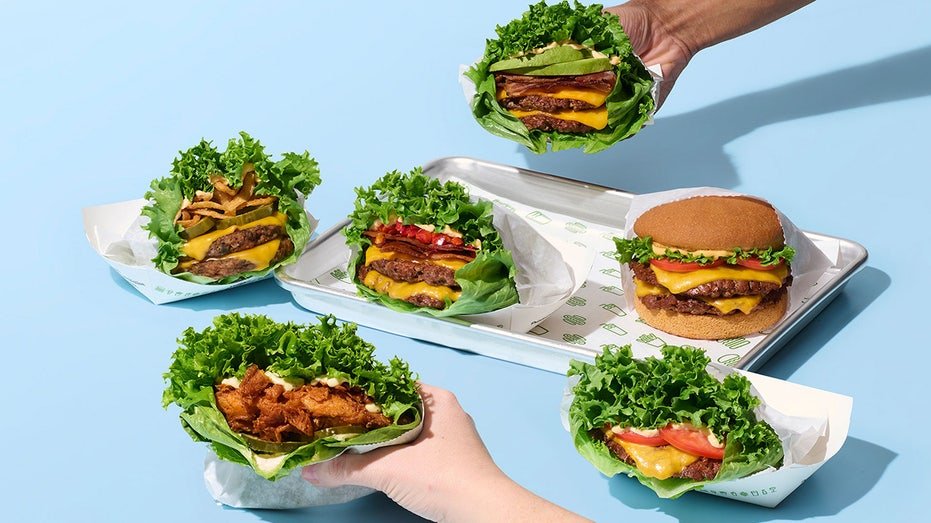
From bunless burgers to cups filled with meat, fast food chains are reshaping their menus as weight-loss drugs and wellness trends change how Americans eat. Shake Shack is one of the latest brands to lean into the GLP-1 era with a new menu designed to make high-protein, lower-carb ordering easier. The burger chain recently launched Read More
GLP-1 Agents Showed Broader Risks, Rewards in 2025GLP-1 Agents Showed Broader Risks, Rewards in 2025
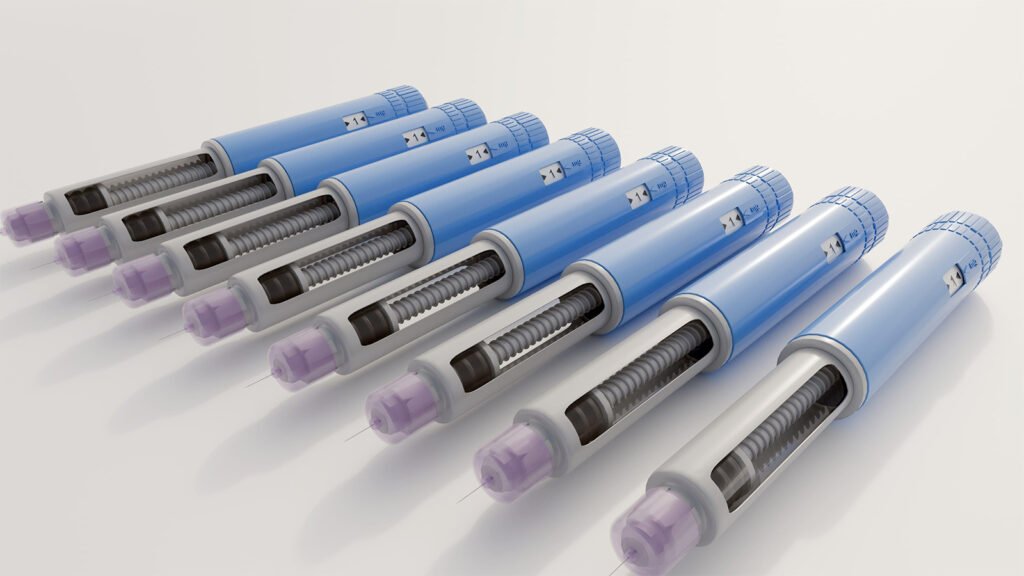
(MedPage Today) — In January 2025, we reported about an observational study of nearly 2 million U.S. military veterans that showed a broad spectrum of possible risks and benefits associated with GLP-1 receptor agonists. In this report, we follow… (MedPage Today) — In January 2025, we reported about an observational study of nearly 2 Read More
Shake Shack introduces new GLP-1 menu optionsShake Shack introduces new GLP-1 menu options

Shake Shack introduces new GLP-1 menu options Shake Shack introduces new GLP-1 menu options
What’s ahead for the weight-loss drugs known as GLP-1s in 2026What’s ahead for the weight-loss drugs known as GLP-1s in 2026

There’s a new pill and new ways to pay for the weight-loss drugs known as GLP-1s. There’s a new pill and new ways to pay for the weight-loss drugs known as GLP-1s.
MIT study shows high-fat diets give liver cancer a dangerous head startMIT study shows high-fat diets give liver cancer a dangerous head start
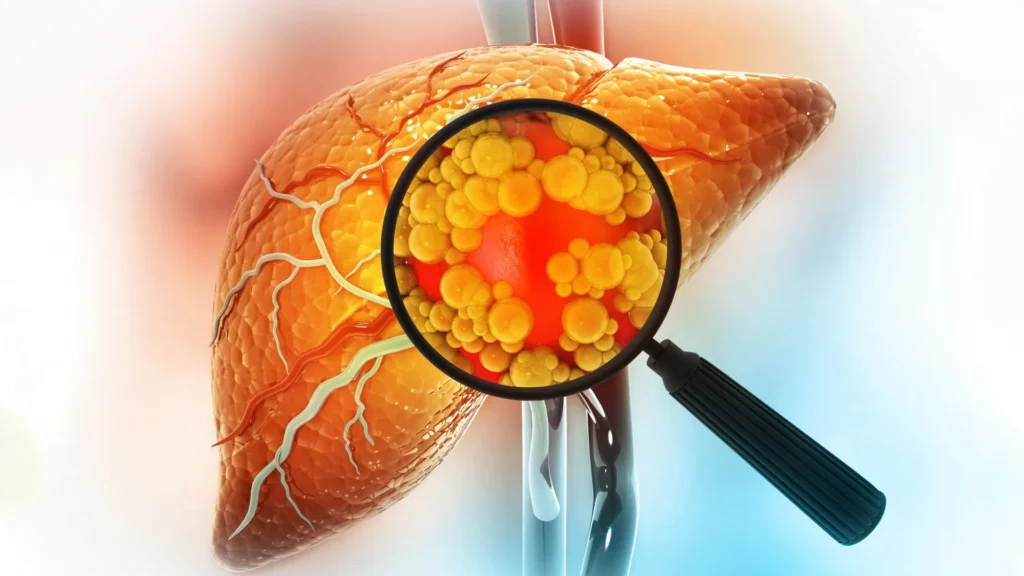
A high-fat diet does more than overload the liver with fat. New research from MIT shows that prolonged exposure to fatty foods can push liver cells into a survival mode that quietly raises the risk of cancer. Faced with ongoing metabolic stress, these cells abandon their normal roles and revert to a more primitive state that helps them endure harsh conditions. Over time, that shift leaves the liver less functional and far more vulnerable to tumor formation, helping explain why fatty liver disease so often precedes liver cancer.