A portable ultrasound sensor may enable earlier detection of breast cancerA portable ultrasound sensor may enable earlier detection of breast cancer

For people who are at high risk of developing breast cancer, frequent screenings with ultrasound can help detect tumors early. MIT researchers have now developed a miniaturized ultrasound system that could make it easier for breast ultrasounds to be performed more often, either at home or at a doctor’s office. The new system consists of a small ultrasound probe attached to an acquisition and processing module that is a little larger than a smartphone. This system can be used on the go when connected to a laptop computer to reconstruct and view wide-angle 3D images in real time.
How early pregnancy impacts aging: Implications for breast-cancer riskHow early pregnancy impacts aging: Implications for breast-cancer risk

A new study by cell biologists at the University of California, Santa Cruz, suggests that an early first pregnancy may protect against breast cancer decades later by preventing age-related changes in breast cells that are linked to tumor formation. Using a mouse model designed to mimic human aging and reproductive history, researchers found that pregnancy fundamentally alters how mammary tissue ages—reducing the buildup of abnormal cells that have the ability to change their identity in a way that could seed cancer in later life.
Baseline Fatigue and Severe Toxic Effects in Patients With Cancer Receiving Systemic TherapyBaseline Fatigue and Severe Toxic Effects in Patients With Cancer Receiving Systemic Therapy
This cohort study using data from randomized clinical trials evaluates the association of baseline patient-reported fatigue and the risk of toxic effects during subsequent cancer treatment.
Unraveling the Complexity of Cancer-Related Cognitive Impairment in Breast CancerUnraveling the Complexity of Cancer-Related Cognitive Impairment in Breast Cancer
Cancer-related cognitive impairment (CRCI) is an important clinical problem that affects many patients with cancer and includes difficulties in memory, attention, processing speed, and executive function. Studies including patient-reported outcomes (PROs) suggest that 50% to 75% of patients receiving chemotherapy experience CRCI. These problems negatively affect daily functioning and can persist for many years. Given that CRCI exists in the short and long term, better understanding of the effect of disease and various treatment combinations on CRCI and whether there are differential effects in the magnitude of CRCI by treatment regimen and the contributions of host factors is needed.
Sleeve gastrectomy may produce greater and more durable weight loss than semaglutide in patients with obesitySleeve gastrectomy may produce greater and more durable weight loss than semaglutide in patients with obesity

1. Sleeve gastrectomy produces substantially greater and more durable weight loss than semaglutide over 12 months in patients with obesity. 2. Semaglutide is effective during treatment, but discontinuation frequently leads to clinically significant weight regain, highlighting the need for long-term treatment strategies. Evidence Rating Level: 2 (Good) In this prospective, non-randomized study, sleeve gastrectomy (SG) Read More
GLP-1 Warning Over Link to Fatal Events; DOJ Sues Med School; Genes and LongevityGLP-1 Warning Over Link to Fatal Events; DOJ Sues Med School; Genes and Longevity

(MedPage Today) — Note that some links may require registration or subscription. The United Kingdom’s Medicines and Healthcare Products Regulatory Agency strengthened its warnings on GLP-1 receptor agonists and dual GLP-1/GIP agonists to include… (MedPage Today) — Note that some links may require registration or subscription. The United Kingdom’s Medicines and Healthcare Products Regulatory Read More
AI-assisted mammograms cut risk of developing aggressive breast cancerAI-assisted mammograms cut risk of developing aggressive breast cancer
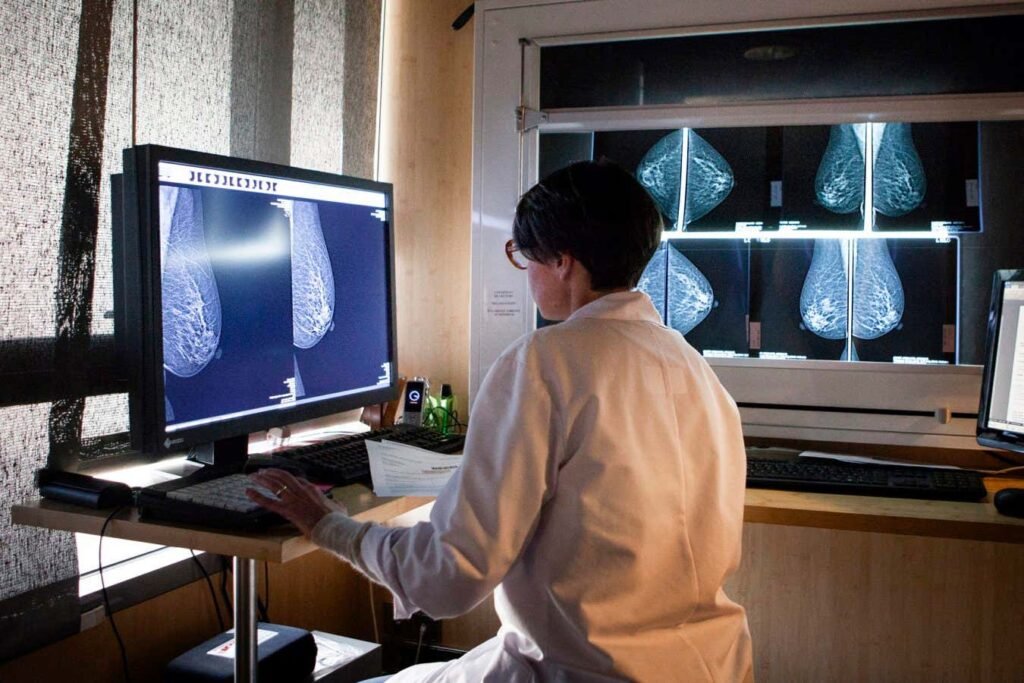
Interval cancers are aggressive tumours that grow during the interval after someone has been screened for cancer and before they are screened again, and AI seems to be able to identify them at an early stage
AI-supported mammography screening results in fewer aggressive and advanced breast cancersAI-supported mammography screening results in fewer aggressive and advanced breast cancers

Artificial intelligence (AI)-supported mammography identifies more cancers during screening and reduces the rate of breast cancer diagnosis by 12% in the years following, finds the first randomized controlled trial of its kind. The trial involved over 100,000 Swedish women, and its results are published in The Lancet.
AI use in breast cancer screening cuts rate of later diagnosis by 12%, study findsAI use in breast cancer screening cuts rate of later diagnosis by 12%, study finds

Swedish study of 100,000 women found higher rate of early detection, suggesting potential to support radiologistsThe use of artificial intelligence in breast cancer screening reduces the rate of a cancer diagnosis by 12% in subsequent years and leads to a higher rate of early detection, according to the first trial of its kind.Researchers said the study was the largest to date looking at AI use in cancer screening. It involved 100,000 women in Sweden who were part of mammography screening and were randomly assigned to either AI-supported screening or to a standard reading by two radiologists between April 2021 and December 2022. Continue reading…
Amputation Risk in Diabetes Drops With GLP-1 Drugs, Study SuggestsAmputation Risk in Diabetes Drops With GLP-1 Drugs, Study Suggests

(MedPage Today) — GLP-1 receptor agonist use was tied to a lower risk of recurrent major adverse limb events (MALEs) in people with diabetes compared with another drug class, a retrospective Taiwanese study showed. Among 17,288 patients, new… (MedPage Today) — GLP-1 receptor agonist use was tied to a lower risk of recurrent major Read More