Breast cancer stage at diagnosis differs sharply across rural US regionsBreast cancer stage at diagnosis differs sharply across rural US regions

Where a woman lives significantly affects whether her breast cancer is diagnosed at an early or late stage, according to a national analysis published in the Journal of the American College of Surgeons (JACS). Researchers found prominent geographic variations within rural regions across the United States, and that race and insurance status also strongly influenced a woman’s stage of breast cancer at diagnosis.
Ozempic-maker Novo Nordisk struggles as GLP-1 drugs continue to dominate medicine, culture Ozempic-maker Novo Nordisk struggles as GLP-1 drugs continue to dominate medicine, culture

The FDA criticized the maker of Ozempic and Wegovy, Novo Nordisk, for “serious violations” related to the reporting of possible side effects linked to semaglutide, the active ingredient in the drug. NBC News’ Emily Lorsch reports on the GLP-1 drugs. The FDA criticized the maker of Ozempic and Wegovy, Novo Nordisk, for “serious violations” related Read More
Unusual tumor cells may be overlooked factors in advanced breast cancerUnusual tumor cells may be overlooked factors in advanced breast cancer

An enigmatic type of circulating tumor cell called a dual-positive (DP) cell is associated with shorter survival time in patients with advanced breast cancer, according to a study led by investigators at Weill Cornell Medicine and NewYork-Presbyterian. The findings, published in Science Translational Medicine, highlight the potential importance of these under-studied cells in breast cancer progression.
FDA Warns GLP-1 Maker Over Failure to Properly Report Deaths, StrokesFDA Warns GLP-1 Maker Over Failure to Properly Report Deaths, Strokes
(MedPage Today) — The FDA issued a warning letter to Novo Nordisk for failing to report and investigate potentially serious side effects associated with its popular GLP-1 medications. In a letter dated March 5 and made public on Tuesday, the… (MedPage Today) — The FDA issued a warning letter to Novo Nordisk for failing Read More
GLP-1 Drugs May Benefit Cancer Patients With Brain LesionsGLP-1 Drugs May Benefit Cancer Patients With Brain Lesions
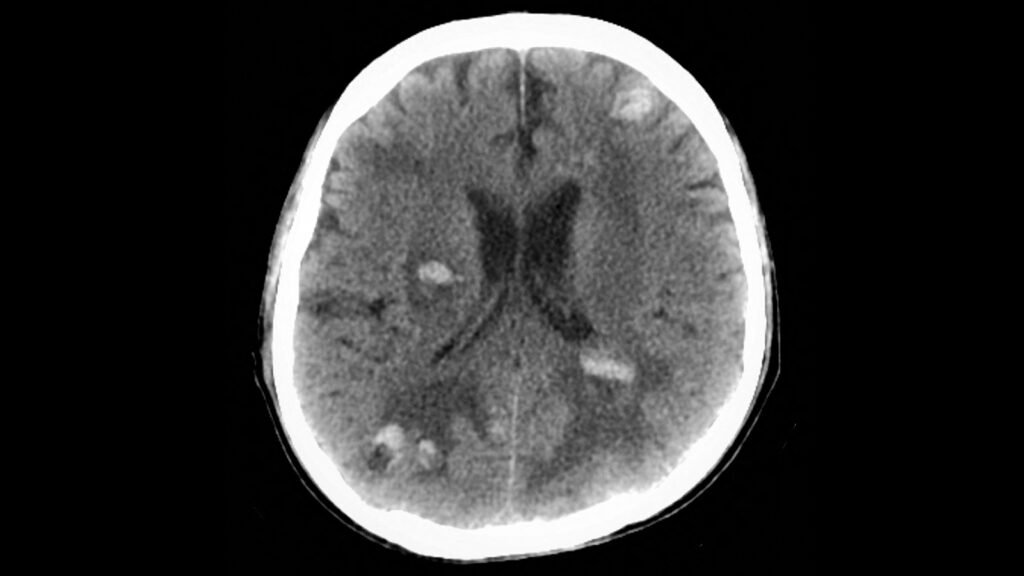
(MedPage Today) — GLP-1 receptor agonist use was associated with a lower risk of death in cancer patients with brain metastases and type 2 diabetes, a retrospective cohort study found. Within 3 years of a first recorded brain metastasis, patients… (MedPage Today) — GLP-1 receptor agonist use was associated with a lower risk of Read More
Q&A: How small steps can help GLP-1 users build healthier habitsQ&A: How small steps can help GLP-1 users build healthier habits

A Stanford study shows simple digital prompts can motivate people taking GLP-1 medications to make lifestyle changes. It’s a simple premise: What if something as small as a digital nudge could put someone on the path to healthier habits while taking GLP-1 medications? A Stanford study shows simple digital prompts can motivate people taking GLP-1 Read More
FDA Warns Novo Nordisk of Unreported GLP-1 Side EffectsFDA Warns Novo Nordisk of Unreported GLP-1 Side Effects

The FDA has issued a warning letter to Novo Nordisk saying the maker of Ozempic and Wegovy failed to report potential side effects in patients who took the medications. The agency cited three deaths among patients, including one who died by suicide. The FDA says the company did not report the deaths within the agency’s Read More
Targeted treatments plus engineered immune cells may slow early spread of triple‑negative breast cancer, study revealsTargeted treatments plus engineered immune cells may slow early spread of triple‑negative breast cancer, study reveals

A new study has revealed a promising new approach to curb the spread of triple-negative breast cancer, one of the most aggressive and difficult-to-treat forms of the disease. Published recently in Cancer Letters, Gabriel Duda, Ph.D., scientific director of transplant oncology and therapeutics at Houston Methodist Research Institute, and his research team discovered pairing targeted treatments with CAR T-cell therapy may help control cancer recurrence when intervention options are otherwise limited.
GLP-1 RA Use and Survival Among Patients With Type 2 Diabetes and Brain MetastasesGLP-1 RA Use and Survival Among Patients With Type 2 Diabetes and Brain Metastases
This cohort study assesses the association between glucagon-like peptide–1 receptor agonist (GLP-1 RA) use and survival in patients with type 2 diabetes and brain metastases. This cohort study assesses the association between glucagon-like peptide–1 receptor agonist (GLP-1 RA) use and survival in patients with type 2 diabetes and brain metastases.
LeaN On: Reducing risk of lymphedema after breast cancerLeaN On: Reducing risk of lymphedema after breast cancer

Living with, or being at risk of, lymphedema after breast cancer can leave many people feeling uncertain and overwhelmed. Too often, survivors must search for information on their own, sometimes too late, and without clear guidance on what matters most for their long-term health. To help address this challenge, researchers from Flinders University have developed Lymphedema Navigation Online (LeaN On), a new evidence-based digital platform supporting breast cancer survivors across Australia who are living with, or worried about, lymphedema.